Fun with Character: Affirmations
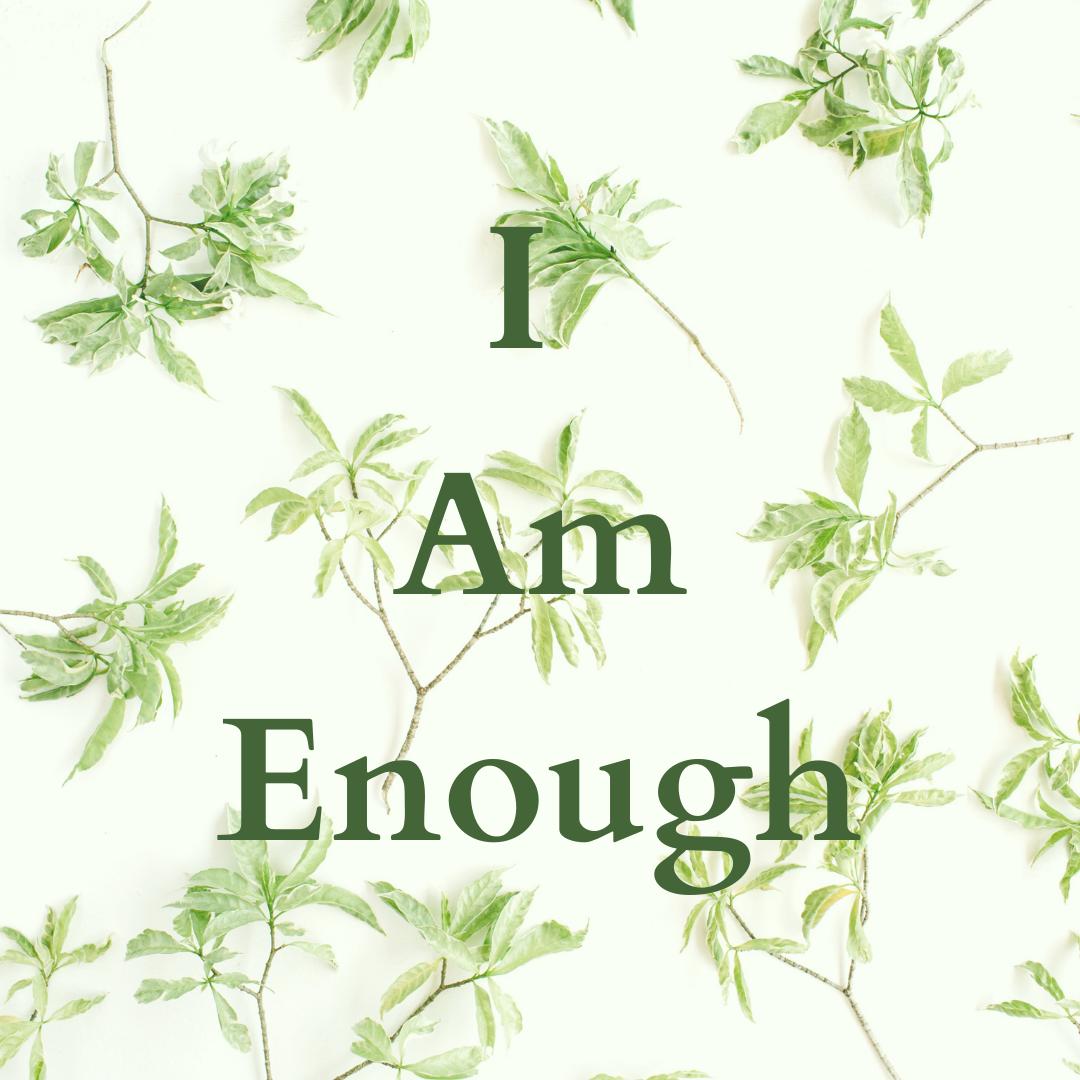
An affirmation is a positive statement that you repeat to yourself to change your mindset and achieve your goals. Affirmations can improve your self-confidence, boost your motivation, and overcome negative thoughts. When you repeat an affirmation, you are essentially telling yourself that you believe in yourself and your ability to achieve your goals. This can help to change your mindset and create a more positive outlook on life.
As a class exercise, you can convert the ‘I will’ statements into affirmation statements. (Directions and Tips are below) You can divide the class into groups and assign an ‘I will’ to each group. Do not assign the last one to a group. If you have more than 4 groups, it is okay to have more than one group working on the same ‘I will’. You can also have each group write an additional affirmation relating to anything age-appropriate. Have each person write an affirmation based on the last ‘I will’. At what do they want to be successful? They can work in the group and help each other write the last one.
If you have younger students, you can use the list below as ideas. They may be able to add to the list. Have them choose 1 or 2 they can repeat daily.
Directions for writing affirmations:
Start by identifying what you want to change. What are your negative thoughts or beliefs that you want to challenge? What are your goals that you want to achieve?
Turn your negative thoughts into positive affirmations. Instead of saying, “I am not good enough,” say, “I am worthy of love and success.” Instead of saying, “I will never be able to do that,” say, “I am capable of anything I set my mind to.”
Write your affirmations in the present tense. This will help you feel as if you are already living the desired reality. For example, instead of saying, “I will be confident,” say, “I am confident.”
Use strong, positive language. Avoid using words like “try,” “might,” or “could.” Instead, use words like “know,” “believe,” and “will.”
Make your affirmations specific and measurable. Instead of saying, “I am happy,” say, “I am happy with my job, relationships, and health.”
Repeat your affirmations regularly. The more you repeat your affirmations, the more they will sink in, and the more likely you are to believe them. You can repeat your affirmations out loud, write them down, or listen to them on a recording.
Be patient and persistent. It takes time and effort to change your negative thoughts and beliefs. Don’t get discouraged if you don’t see results immediately. Just keep repeating your affirmations, and eventually, you will see a difference.
Here are some additional tips for writing affirmations:
Use words that resonate with you. The more personal and meaningful your affirmations are, the more likely you are to believe them.
Keep your affirmations short and simple. This will make them easier to remember and repeat.
Make your affirmations believable. You’re less likely to see results if you don’t believe your affirmations. So, make sure your affirmations are realistic and achievable but
If you want to stop a bad habit, use language that paints a positive visual picture of what success looks like. For example, if you want to stop biting your fingernails, your affirmation could be: “I have long, beautiful nails.” If you wrote about a bad habit, such as “I will stop biting my nails,” then the picture your brain makes is biting your nails, which is not what you want to accomplish. Which picture do you want in your brain?
Visualize yourself achieving your goals. When you repeat your affirmations, take a moment to visualize yourself already having achieved your goals. This will help you to feel more confident and motivated.
Have fun with it! Affirmations should be a positive and uplifting experience. Be creative. Add superhero motions if they add to your affirmation. Say it as if you are proclaiming it on stage. Hum theme music (Do kids these days know the theme song from Rocky???) If you’re not enjoying yourself, you’re less likely to stick with it.
Ideas for Younger Students
I am a smart kid.
I can learn new things.
I am creative.
I am a good friend.
I like to help others.
I try new things.
I am kind.
I treat others with respect.
I am loved, and I am important.
I can reach my goals.
I am happy.
I am a good reader.
To process the activity, ask these or similar questions:
Did you like learning about affirmations?
Was it difficult to write everything in the positive?
How did it feel to say positive statements?
Do you think that if you repeated them enough, you would believe it?
The next time a negative thought about yourself enters your head, do you think you could use an affirmation to knock it out?