For the Faithful
Wisdom
Applying knowledge and experience to new situations
Our current faith‑based resources are written from a Christian perspective, but we know that many other faith traditions also nurture strong character, and we want to honor and uplift that diversity.
We are actively seeking contributors from additional faith traditions who would like to help us expand this section. If you are interested, we would be grateful to partner with you.
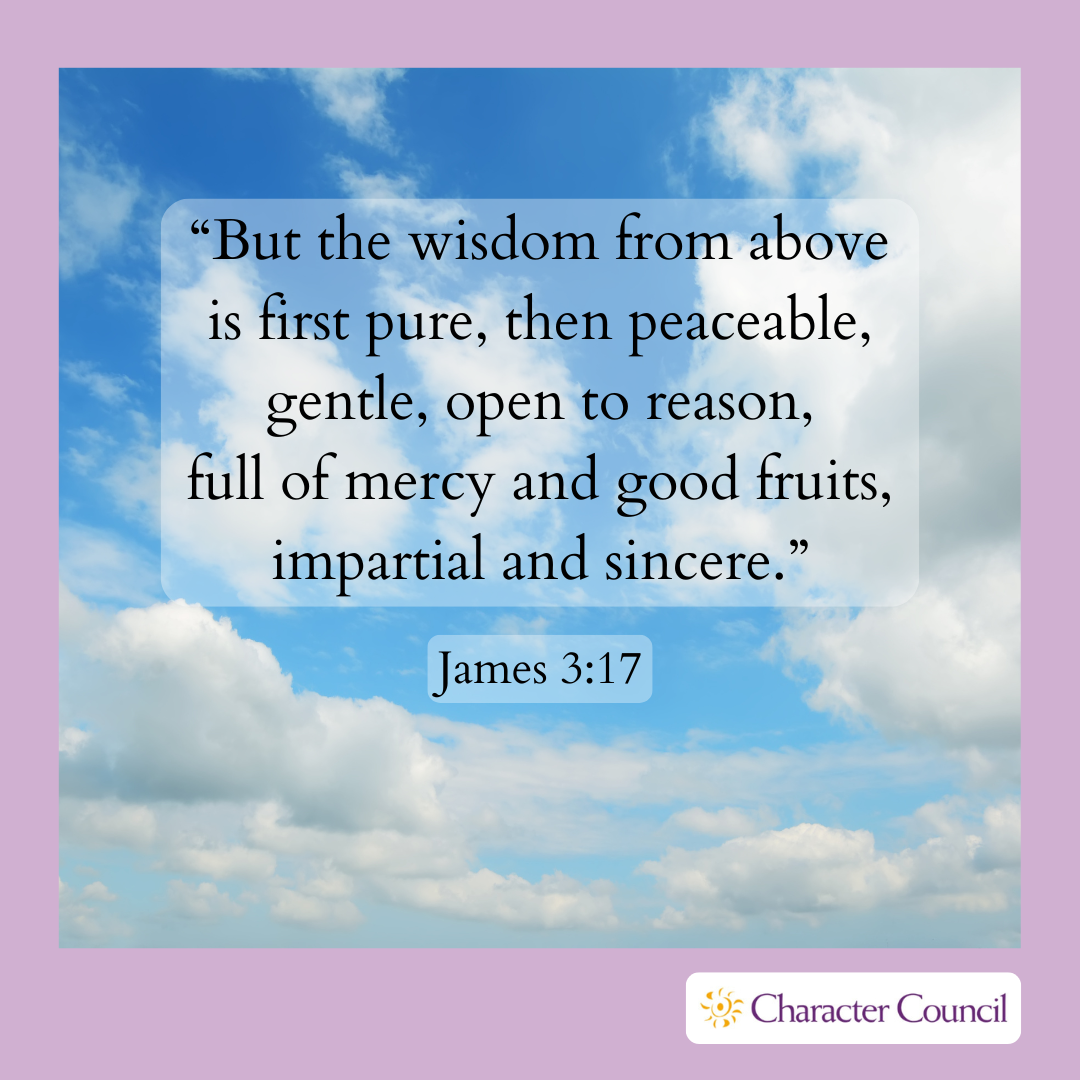
Wisdom guides believers to make choices aligned with God’s truth.
When we draw from scripture, prayer, and experience, we navigate life with clarity and grace. Wisdom builds a community grounded in discernment and spiritual maturity.
Essay
With Old Age Comes Wisdom
By Rev. Dr. Roger Braun, Retired Methodist Minister
People say that with old age comes wisdom. There is some truth to the idea that with old age comes experience, and experience can guide right and wrong choices. However, wisdom comes from God and is a gift and a promise from God. It is important to note that wisdom is not the same as intelligence. In congregations I have served in the past, I have had close relationships with many highly intelligent people. They were not always wise in the Biblical sense of the word. No matter how high their IQ, they still had hearts filled with prejudice, intolerance, and spiritual ignorance.
In the Old Testament, wisdom starts with reverence, humility, and recognition of God’s authority. This kind of wisdom involves moral insight and the capacity to choose what is right, just, and beneficial for oneself and others. Old Testament wisdom emphasizes discernment – understanding how to apply God’s principles in everyday life. In the New Testament, wisdom takes on a deeper spiritual dimension through the teachings of Jesus Christ. Wisdom is linked with spiritual maturity, humility, faith, and seeking it through prayer and obedience to God. It is King Solomon of the Old Testament who is often used as an example of wisdom in action and how to receive it. Solomon’s one request to God was to be given wisdom in order to govern people and judge fairly. His request reflects the Biblical view that wisdom includes justice, compassion, and the ability to make sound decisions that align with God’s will. In the Epistle of James, he teaches that if anyone lacks wisdom, they should ask God, who gives generously to those who seek it. Therefore, Biblical wisdom is not something you achieve through age or experience alone; it is something you ask God for and seek after your whole life. Jesus said, “Seek, and you shall find.” What Jesus didn’t say was what it was we were to seek. Seek wisdom, and you shall find it, and you will also be aligned with God’s will.
This month, open yourself to God’s wisdom and enjoy his blessings.
Affirmations for the Faithful
I ask questions so I can grow in wisdom and better understand what God is teaching me.
I learn from my successes and my mistakes, trusting that God uses both to shape my character.
I choose my friends with care, surrounding myself with people who encourage my walk with Christ.
I think ahead about the results of my actions, seeking to honor God in the choices I make.
I stay open to the ideas and experiences of others, remembering that every person is made in God’s image.
Wisdom Resource Library
The Links below will take you to Resources, like activities, reflections, and visuals you can use personally or in your faith organization to encourage the Character Quality of Wisdom.


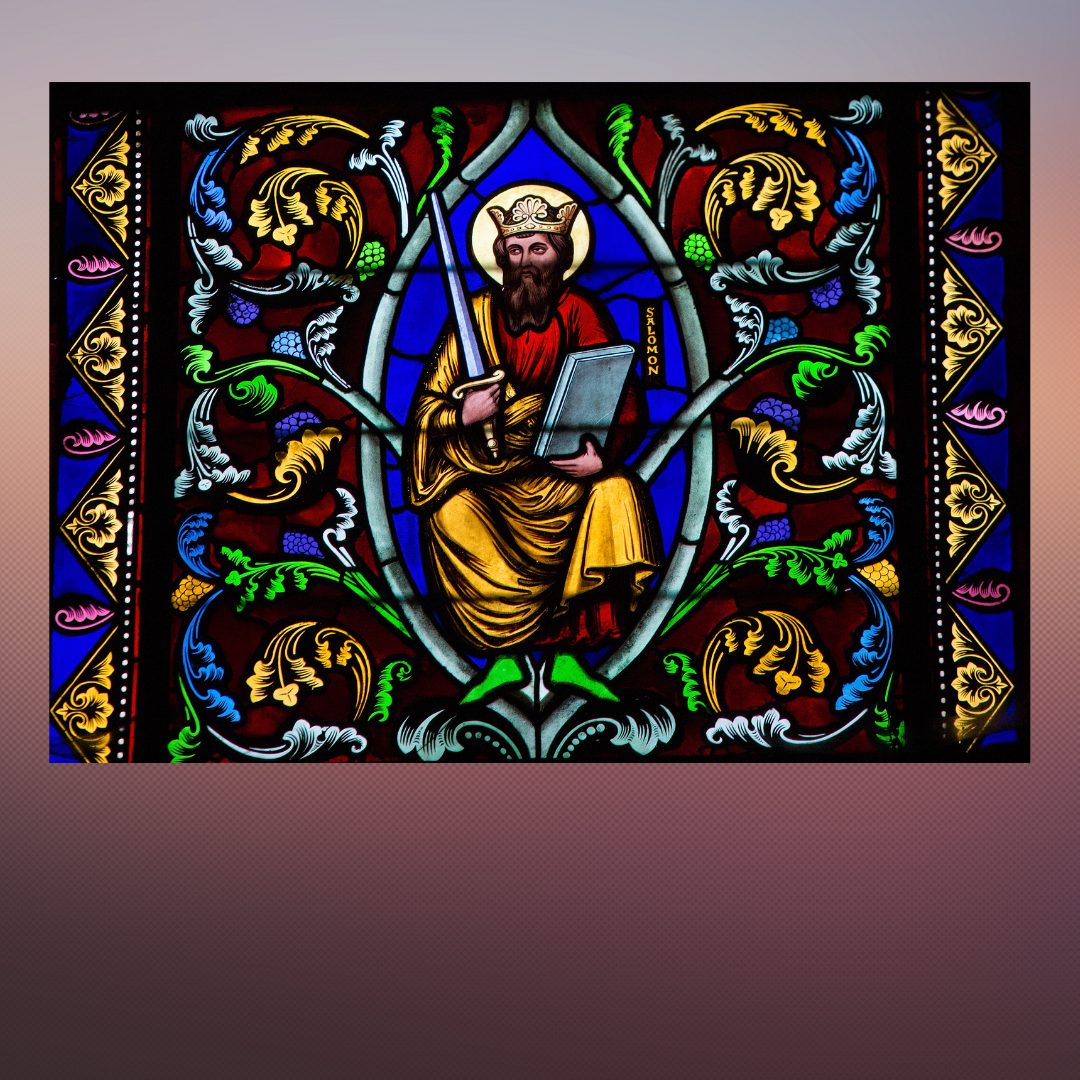
Wisdom Verses
Want to deepen your understanding of Wisdom through Scripture? Explore our collection of Wisdom Bible Verses for inspiration and reflection.