For the Classroom
Wisdom
Applying knowledge and experience to new situations

Wisdom guides educators in making thoughtful decisions that support student well-being.
When experience and insight shape actions, schools navigate challenges with clarity and purpose. Wisdom fosters a culture of steady, informed leadership.
Essay
Do Struggles and Failures Lead to Wisdom in Students?
by Sandra S. Szczygiel, MS, LPPC-S
Do Struggles and Failures Lead to Wisdom in Students? Absolutely, if a supportive teacher or parent is there to guide the child through these experiences. In fact, one could even argue that these kinds of experiences are necessary to develop wisdom. Without struggles and failures, students can be taught knowledge but may not necessarily know how to apply the knowledge to their lives. However, an enterprising teacher can create a learning environment that helps foster wisdom while also supporting the mental health of their students. Some strategies to help build this type of supportive learning environment include:
Creating a Safe and Inclusive Environment: Establishing and enforcing classroom rules that promote respect, acceptance, and open communication.
Encouraging Critical Thinking: Incorporating activities, such as ethical dilemmas with reflective questions, that challenge students to analyze information. This promotes deeper understanding and decision-making skills.
Encouraging Open Dialogue: Facilitating discussions that help students connect their personal values with their emotional experiences, which promotes resilience and self-awareness.
Promoting Reflective Practices: Using journaling, discussions, and mindfulness exercises to help students reflect on their experiences, values, and emotions.
Modeling Ethical Behavior: Consistently exhibiting empathy and respect, serving as role models for students.
Fostering Empathy and Compassion: Encouraging students to engage in service to others.
Successfully nurturing wisdom in students can lead to better coping mechanisms, emotional regulation, resilience and insight which can significantly enhance students’ overall well-being and mental health.
Works Cited
Collaborative Learning in the Classroom, Louise Petty, July 11, 2025
Collaborative Learning: Strategies for Collective Educational Success, September 15, 2025, Learning and Teaching
Affirmations for the Classroom
I ask questions to help me understand.
I learn from things I do well and things I don’t.
I choose friends who are kind.
I think about what might happen before I act.
I listen to other people’s ideas.
Wisdom Resource Library
The Links below will take you to Resources like activities, lessons, reflections, tools, and visuals you can use in the classroom or in homeschool to teach the Character Quality of Wisdom.






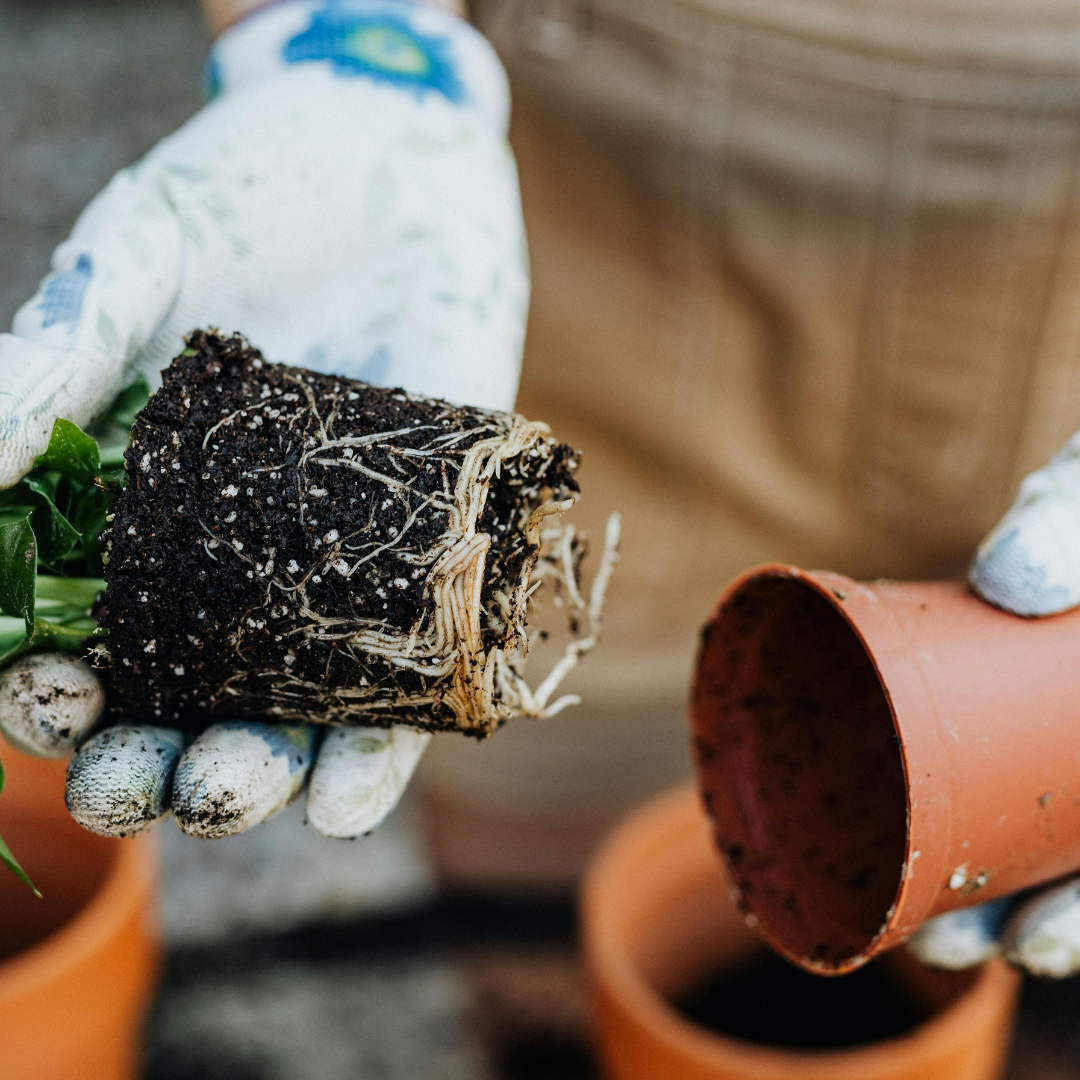


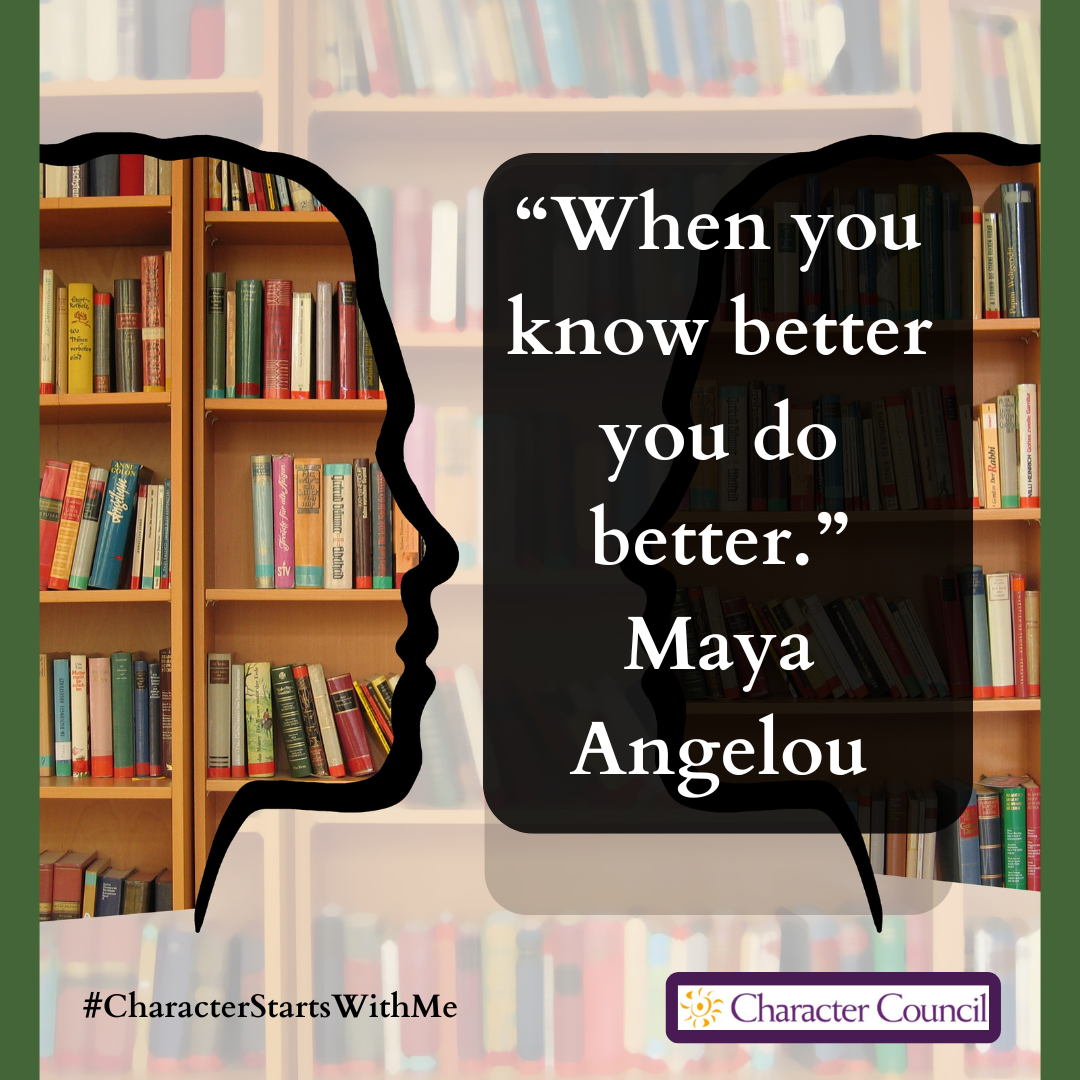
Wisdom Quotes
Looking for reminders that Wisdom makes a difference? Explore the full collection of Wisdom Quotes and find the perfect line to share, post, or spark a conversation.
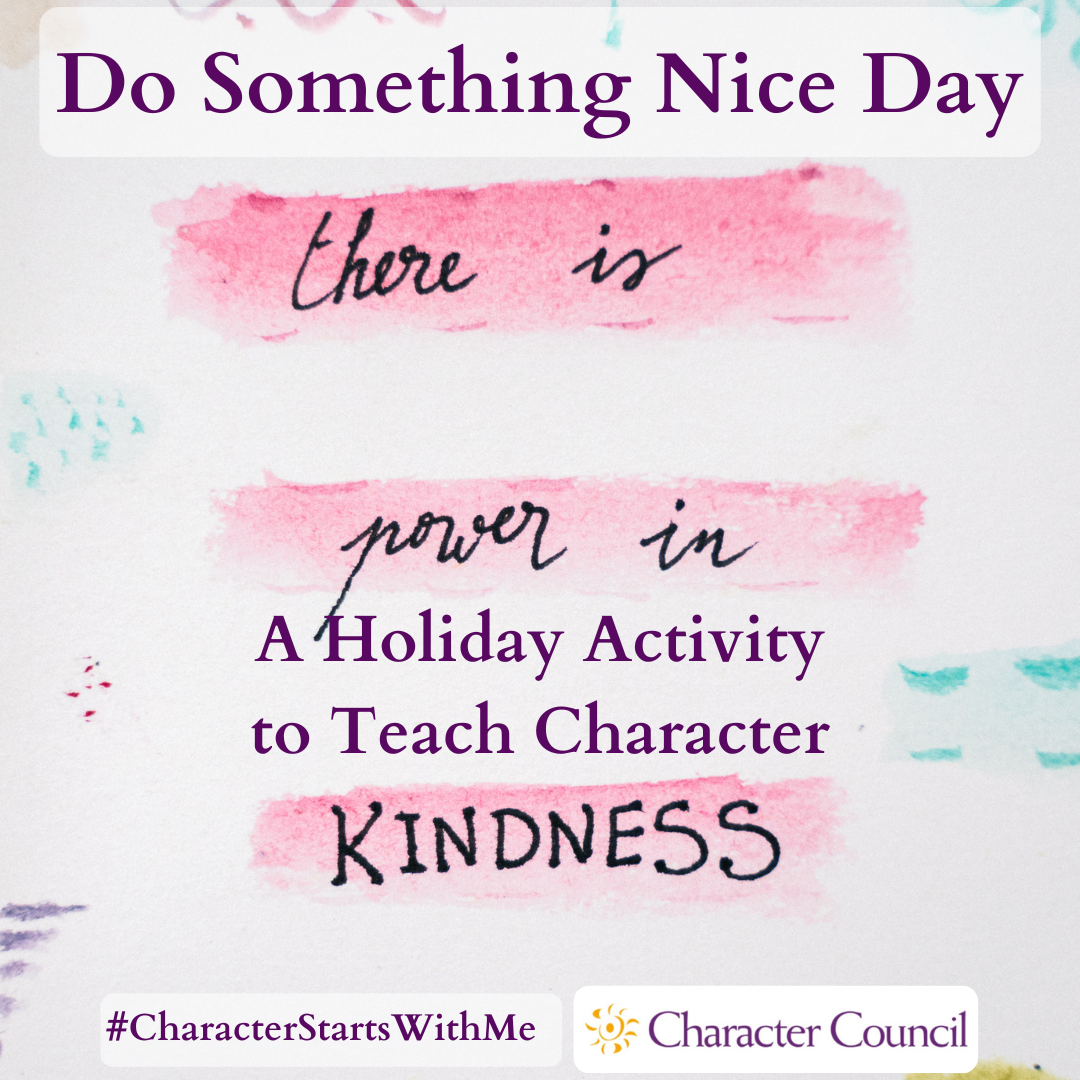
Celebrate Character Qualities All Month
Use the holidays this month to celebrate our other qualities.


Build Community in Your Classroom
Try these activities!