For the Classroom
Kindness
Lifting others up through thoughtful choices and sincere goodwill

Kindness creates a school environment where students feel safe and encouraged.
When educators choose gentle words and thoughtful actions, relationships strengthen and behavior improves. Kindness nurtures a positive climate for learning.
Essay
The Power of Kindness: Nurturing Mental Health in the Classroom
By Sandra Szczygiel, MS, LPCC-S
The classroom is not only a site of academic instruction but also where, in part, emotional well-being is shaped. Kindness, when cultivated by teachers, can become part of the classroom culture with lasting effects on the students. When teachers intentionally integrate kindness into their teaching practices and classroom management, they provide students with tools for emotional regulation, conflict resolution, and social connection. Kindness is more than just good manners; it is a deliberate act to benefit others.
The most effective way for teachers to instill kindness in their students is to model it themselves. This can be done through:
Using respectful language and active listening during discussions.
Acknowledging students’ achievements and efforts, both big and small.
Showing compassion towards students facing difficulties, whether academic or personal.
Encouraging inclusive activities that bring together students from diverse backgrounds.
When kindness is a core classroom value, it provides a protective buffer against many of the risk factors associated with poor mental health. Specific strategies include:
Creating clear, consistent routines that help reduce anxiety and foster a sense of safety.
Encouraging open communication, where students feel comfortable sharing their thoughts and emotions without fear of judgment.
Facilitating peer support systems that connect students with one another.
Providing access to mental health resources and responding promptly to signs of distress.
It is important to note that teachers themselves need support for their own mental health and well-being. Professional development opportunities, peer collaboration, and access to counseling services help teachers remain resilient and effective in their roles. Research has shown that acts of kindness can reduce levels of stress, improve mood, and enhance overall happiness—not just for the recipient but also for the one who extends kindness.
Some short-term benefits of kindness include:
Reducing anxiety
Boosting self-esteem
Increasing the likelihood of pro-social behavior
Some long-term benefits include:
Development of strong social skills and emotional intelligence
Healthy supportive relationships in adulthood
Resilience
Contributing to their communities
Moreover, research suggests that schools with a strong culture of kindness report lower rates of bullying, absenteeism, and disciplinary issues, and higher levels of academic achievement and student satisfaction.
Affirmations for the Classroom
I am a kind friend.
I say hello and ask others to play.
I notice when someone needs help.I use polite and kind words with my friends.
I give honest, kind compliments to others.
Kindness Resource Library
The Links below will take you to Resources like activities, lessons, reflections, tools, and visuals you can use in the classroom or in homeschool to teach the Character Quality of Kindness.








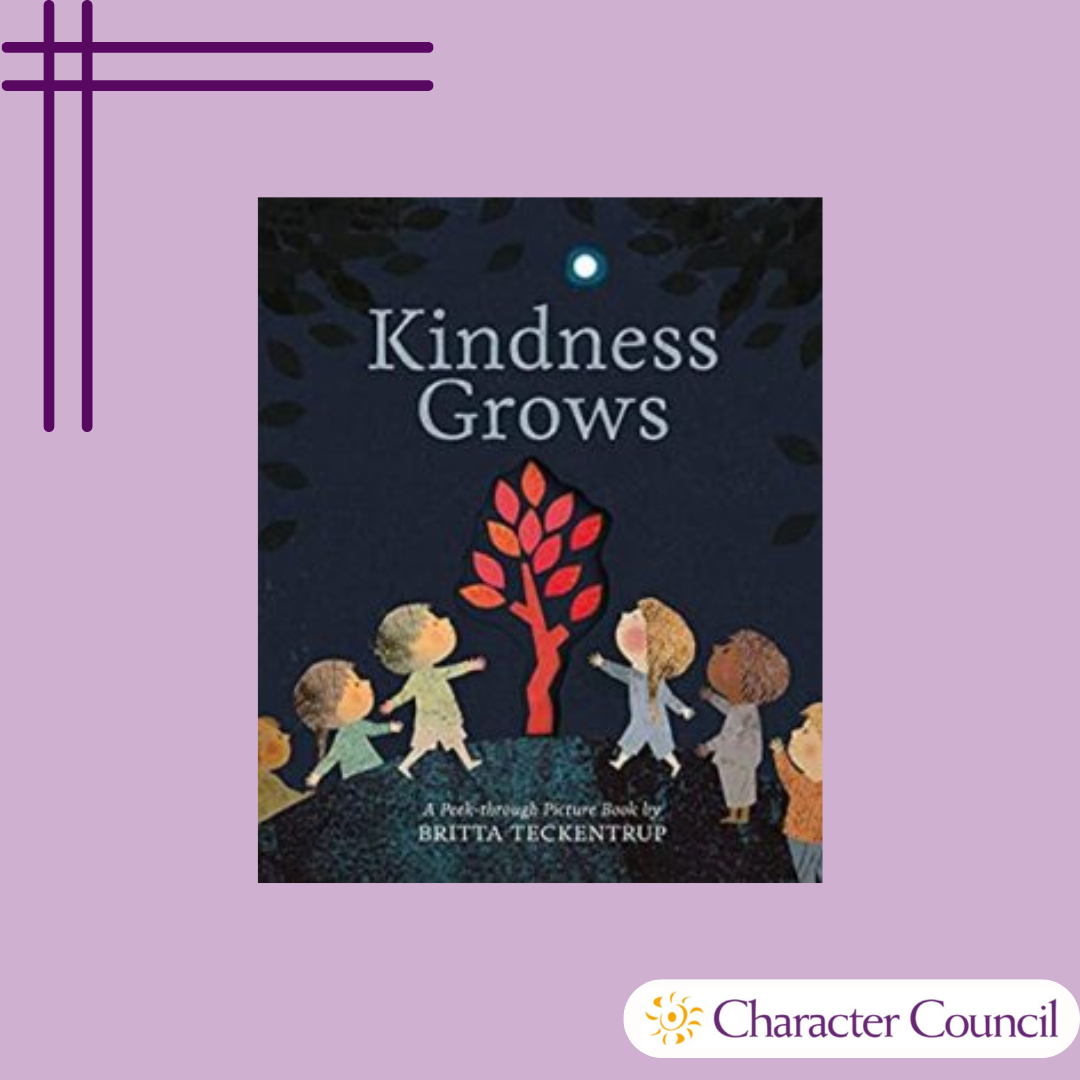
Kindness Quotes
Looking for reminders that Kindness makes a difference? Explore the full collection of Kindness Quotes and find the perfect line to share, post, or spark a conversation.

Celebrate Character Qualities All Month
Use the holidays this month to celebrate our other qualities.


Build Community in Your Classroom
Try these activities!