For the Classroom
Justice
Supporting principles that promote fairness and dignity for all

Humility helps create a classroom where every student feels respected, valued, and safe to learn and grow.
When children learn to acknowledge their own strengths and limitations accurately while recognizing the value of others, they build healthier friendships and reduce conflicts. Humility teaches students to listen, learn from one another, share credit, and treat others with kindness, which makes the classroom a stronger and more supportive place for everyone.
Essay
Cultivating Intellectual Humility in Children to Prevent Social Vigilantism
By Sandra S. Szczygiel, MS, LPCC
Social Vigilantism, which is the tendency to think that your beliefs are superior to others’ beliefs and that you have a responsibility to assert those beliefs on others for the “greater good,” is prevalent in our society. One only needs to pay attention to the daily news to see social vigilantism prominently displayed by our nation’s leaders. It is likely that you have experienced social vigilantism in your personal life as well, be it from family, friends, or others we encounter in daily life. Social vigilantism, which is found in both the political left and right, contributes to dehumanization, divisiveness, and conflict, which at times can become violent.
In contrast, Intellectual humility facilitates openness to other people’s views, helps with the acceptance that you may not have all the answers, helps prevent forcing beliefs on other people and acting as a “know-it-all”. Importantly, it helps with the recognition that one’s point of view may need review/revision and to accept this without feeling defensive or threatened.
The simplest way that research has found that intellectual humility can be cultivated in children is to have them listen to each other and come to the realization that other people have something to teach them. This can be accomplished in a classroom setting, at home, or in the community.
Other types of humility, which are all worth pursuing, include moral/personal (accurate self-assessment rather than seeing oneself as perfect or as a superior moral authority), cultural humility (respecting other traditions with a willingness to learn), and spiritual (humbling oneself before God).
Affirmations for the Classroom
I use my words to help things be fair and kind.
I listen to people so I know what’s fair for everyone.
I help others feel important.
I try to include everyone.
I follow rules that help everyone feel safe.

Humility Resource Library
The Links below will take you to Resources like activities, lessons, reflections, tools, and visuals you can use in the classroom or in homeschool to teach the Character Quality of Justice.
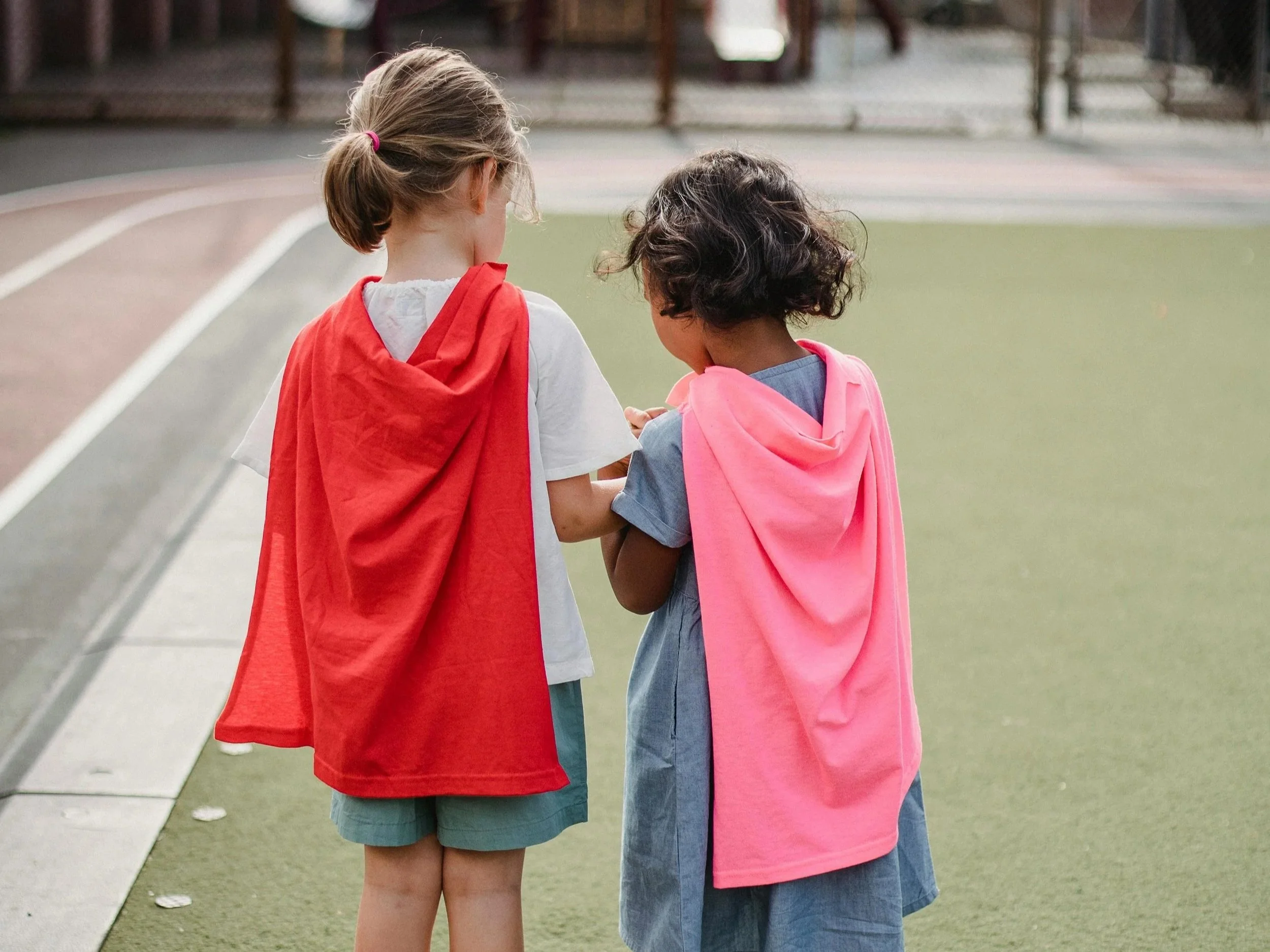








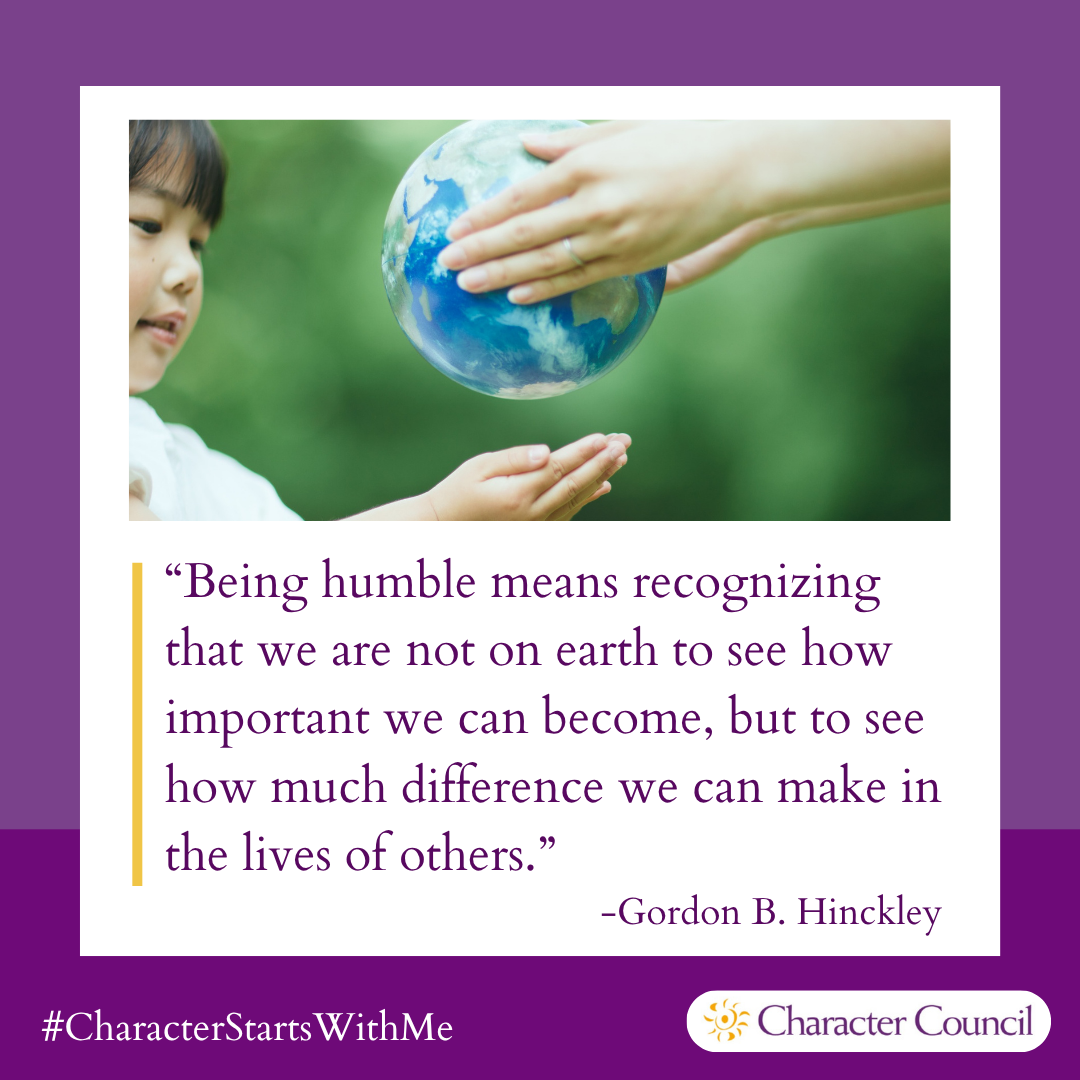
Humility Quotes
Looking for reminders that Humility makes a difference? Explore the full collection of Humility Quotes and find the perfect line to share, post, or spark a conversation.
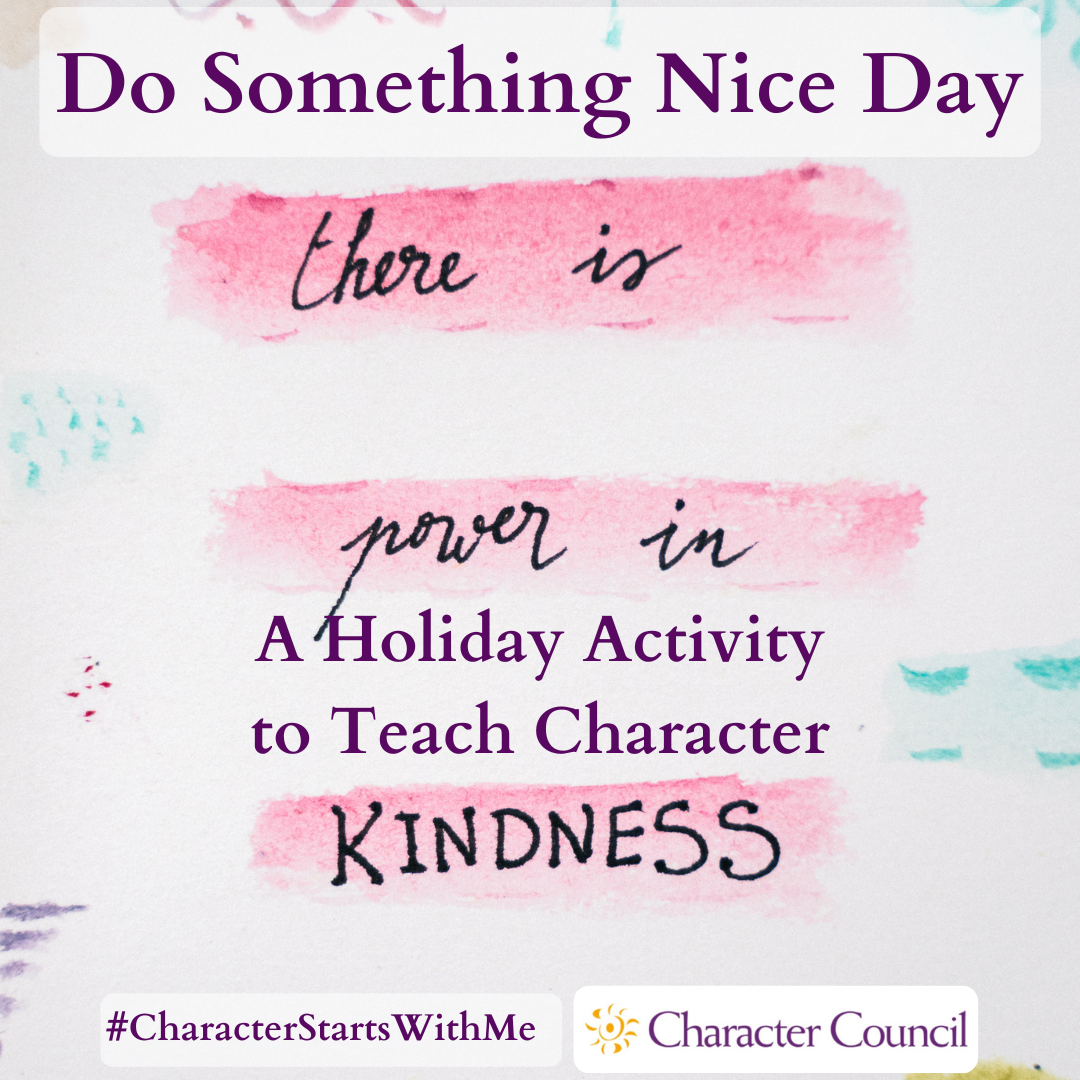
Celebrate Character Qualities All Month
Use the holidays this month to celebrate our other qualities.


Build Community in Your Classroom
Try these activities!