For the Classroom
Generosity
Giving support, help, or resources to make a positive difference
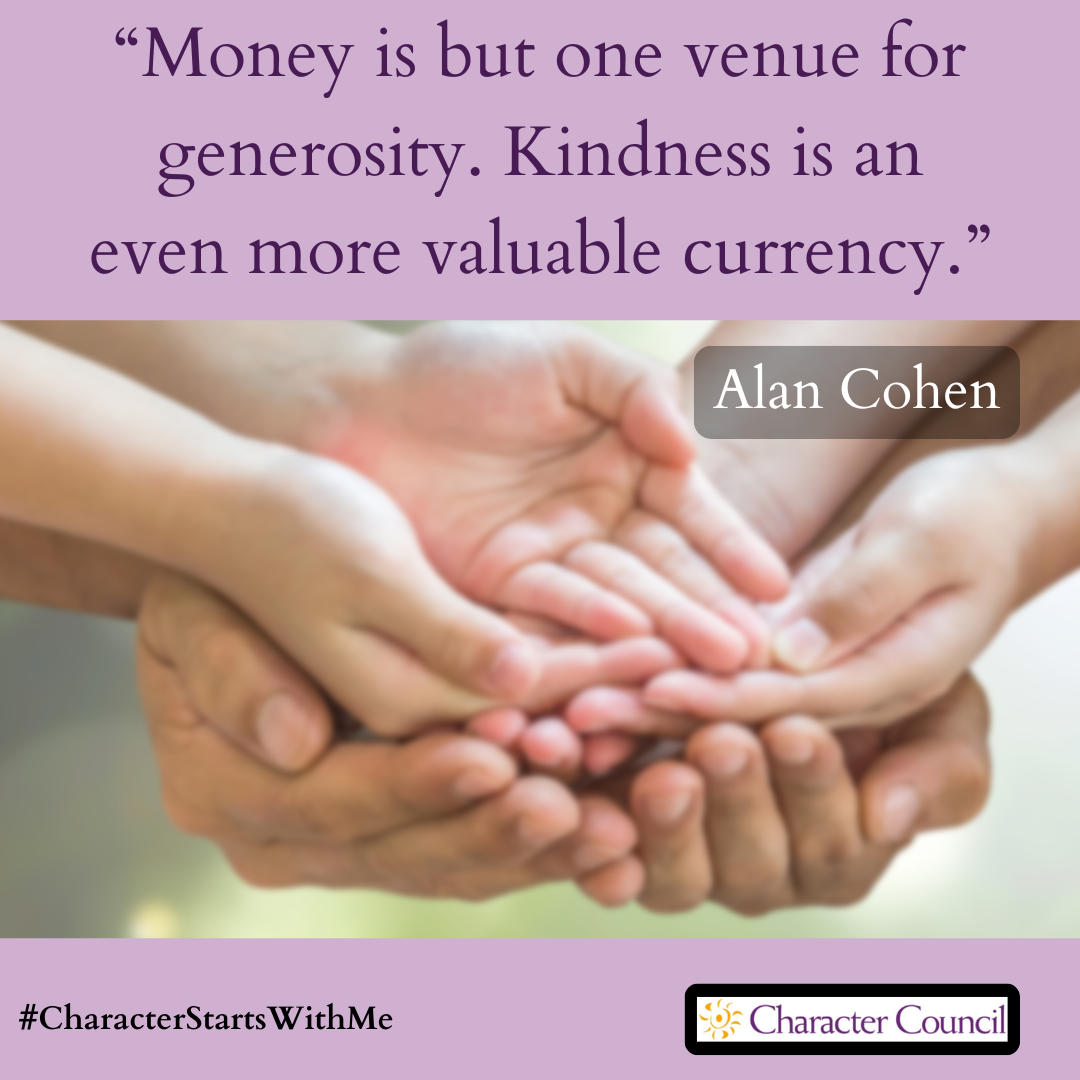
Generosity enriches schools through shared resources, time, and encouragement.
When educators give beyond expectations, students feel supported and valued. Generosity strengthens community and fosters gratitude.
Essay
Generosity and Mental Health
by Sandra Szczygiel, LPCC-S (Licensed Professional Clinical Counselor)
Generosity is the act of being kind, selfless, and giving to others. Even though generosity is done to benefit others, it additionally increases one’s own well-being/mental health. Regions of our brain associated with pleasure and trust are activated when we are generous or are the recipients of generosity. Generosity causes a ripple effect – if someone sees us being generous, it makes them more likely to be generous as well, and so on. Positive thinking skills are important to generosity because positive emotions make us more likely to give. The happier we feel, the more likely we are to give to others again in the future.
Reference: Psychology Today, Tchike Davis, PhD. What is Generosity? How to Be a More Generous Person. February 4, 2019.
Affirmations for the Classroom
I share what I have with others.
I help take care of the earth by reusing and recycling.
I give to others without expecting anything back.
I use kind words to make people feel happy.
I am thankful for what I have.
Generosity Resource Library
The Links below will take you to Resources like activities, lessons, reflections, tools, and visuals you can use in the classroom or in homeschool to teach the Character Quality of Generosity.





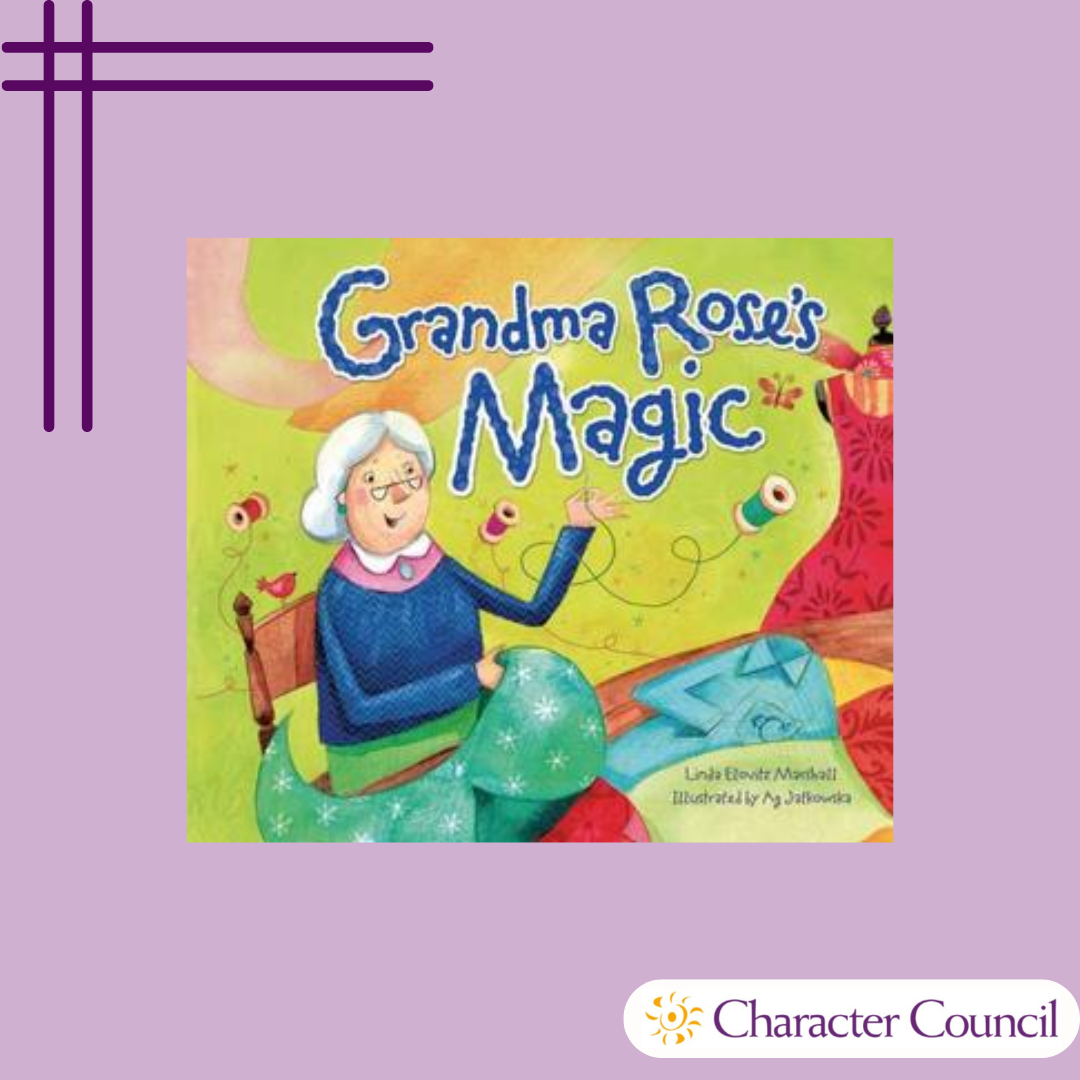
Generosity Quotes
Looking for reminders that Generosity makes a difference? Explore the full collection of Generosity Quotes and find the perfect line to share, post, or spark a conversation.

Celebrate Character Qualities All Month
Use the holidays this month to celebrate our other qualities.
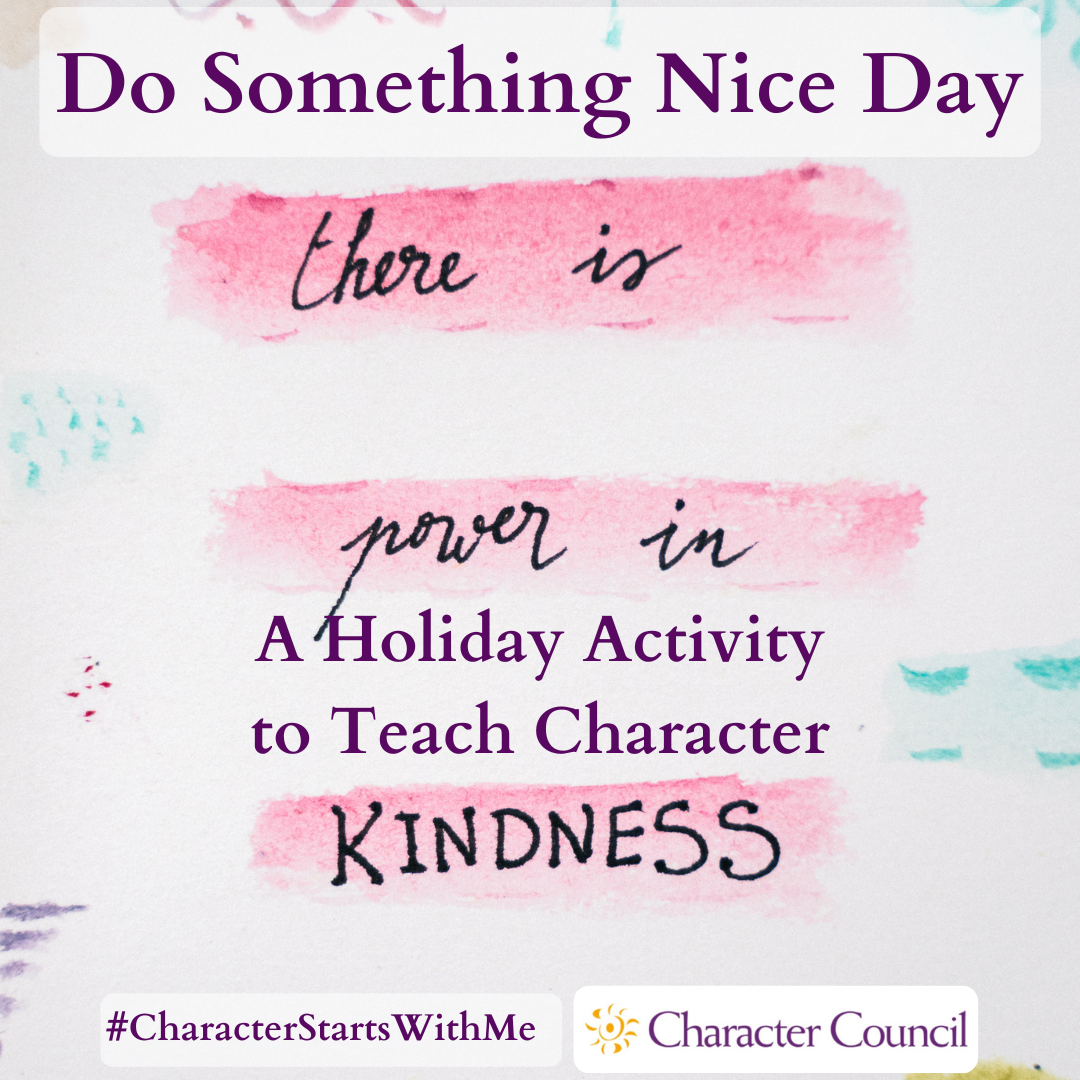

Build Community in Your Classroom
Try these activities!