For the Workplace
Flexibility
Adapting to unexpected challenges with composure
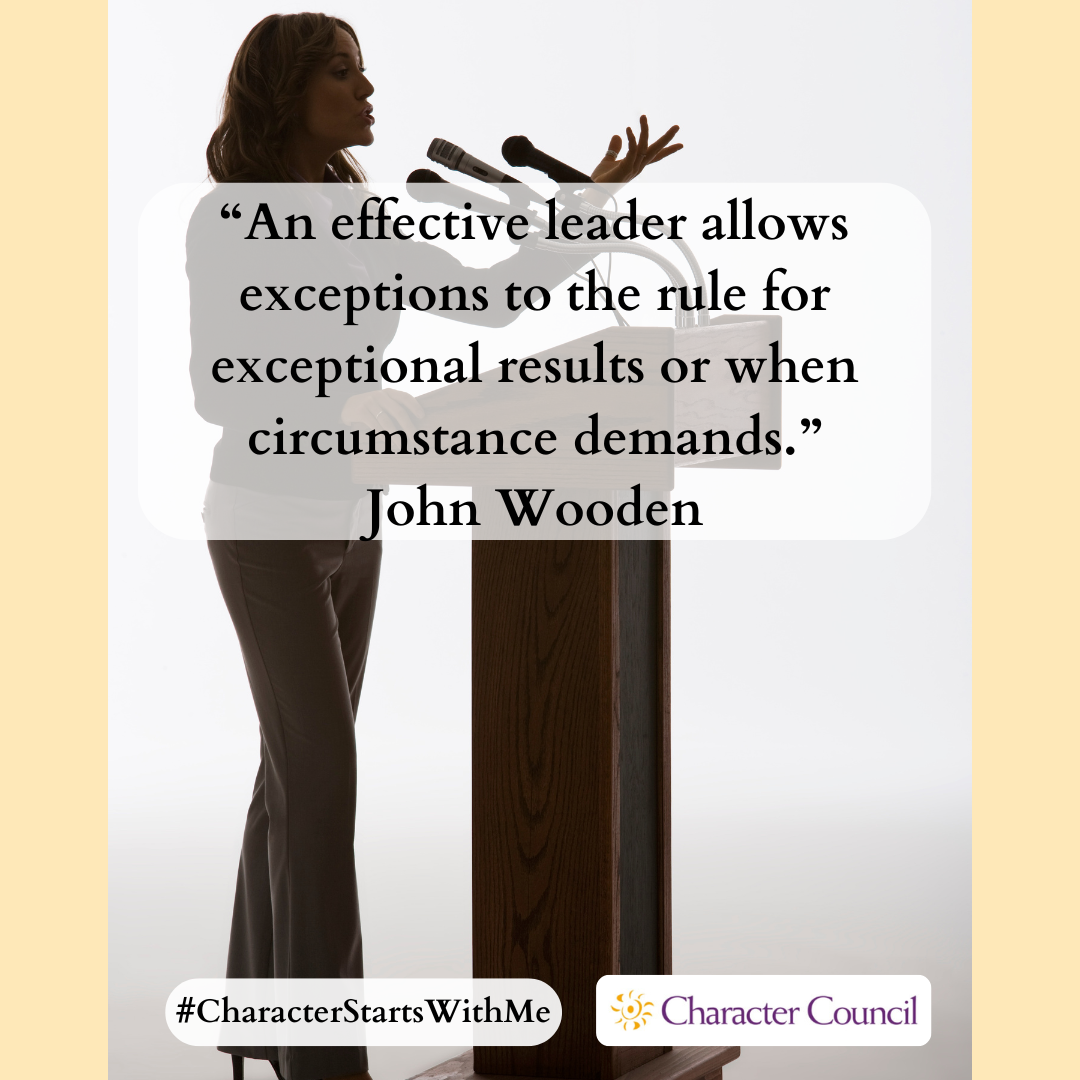
Flexibility strengthens a workplace by helping teams adapt to change with composure.
When individuals adjust to new circumstances or unexpected challenges, work continues smoothly and stress decreases. Flexibility builds resilience and keeps teams moving forward.
Essay
Key Attributes of a Flexible Leader
by Jill Tomey
Sheldon Kawarsky, PhD, in his article on Cognitive Flexibility, states, "Cognitive flexibility is not a passive trait but an active practice...It is a fundamental skill for modern leaders, enabling them to lead with wisdom, creativity, and resilience. The first step is to recognize it as a muscle that you can intentionally train." He identifies 3 Key attributes of a Flexible Leader:
Shifting: The ability to fluidly move between different tasks, mental sets, or perspectives without losing focus.
Inhibiting: The skill of suppressing dominant, automatic, or irrelevant responses to make room for more thoughtful, adaptive ones.
Updating: The capacity to monitor new information as it comes in and revise your working knowledge accordingly.
Which attribute is the most difficult for you?
Which attribute do others notice?
Which attribute will you intentionally train first?
Cognitive Flexibility: The Secret Skill Behind Exceptional Leadership by Sheldon Kawarsky, PhD
Affirmations for the Workplace
I am able to adjust quickly when priorities shift.
I am calm and professional when unexpected changes arise.
I am open to new strategies and ways of working.
I am learning to see my mistakes as an opportunity for growth.
I expect and prepare for change as a means of personal growth.
Flexibility Resource Library
The Links below will take you to Resources you can use in the workplace to encourage the Character Quality of Flexibility.





Flexibility Quotes
Looking for reminders that Flexibility makes a difference? Explore the full collection of Flexibility Quotes and find the perfect line to share, post, or spark a conversation.