For the Family
Empathy
Sensing the emotions of others and responding with care
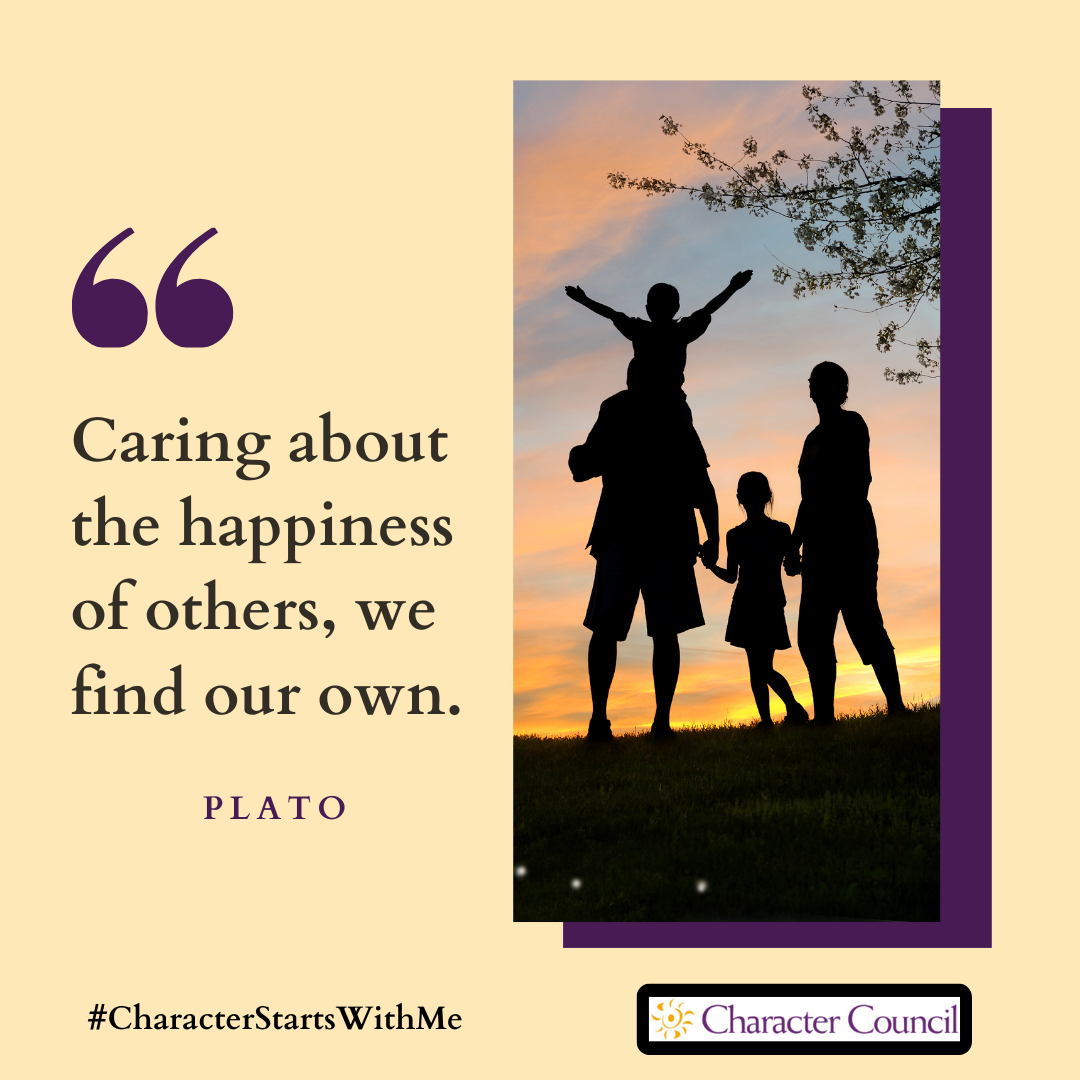
Empathy helps families understand one another more deeply.
When we listen to feelings with care, conflict softens and connection strengthens. Empathy creates a home where emotions are honored and supported.
Essay
Parents: Be an Emotion Coach for Your Children
By Jill Tomey
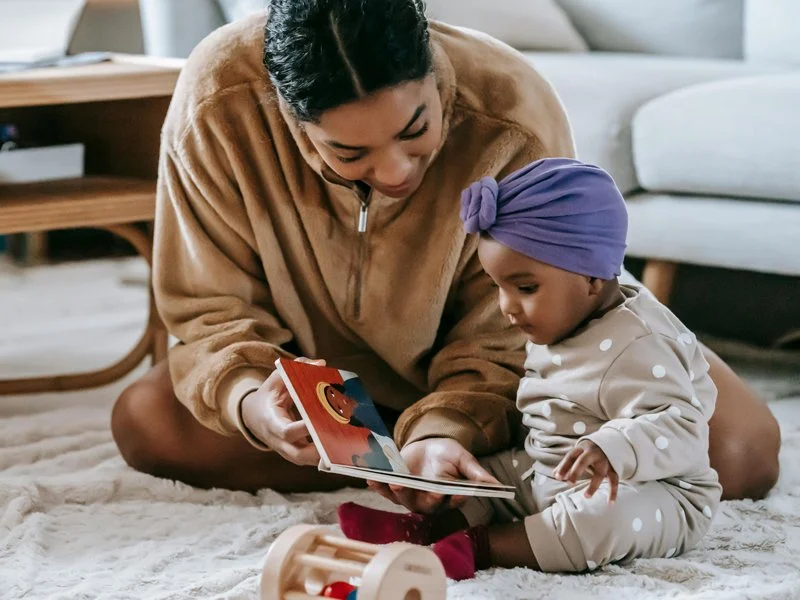
Empathy begins with noticing how other people feel. When parents help children recognize emotions in facial expressions, body language, and tone of voice, children better understand others' experiences and respond thoughtfully in everyday relationships. Children develop stronger empathy when parents regularly talk about emotions and help them connect emotional cues with feeling words. Emotion-coaching parents raise children who can better recognize and understand others' emotional experiences and respond appropriately.
Here are some ways Parents can be an Emotion Coach:
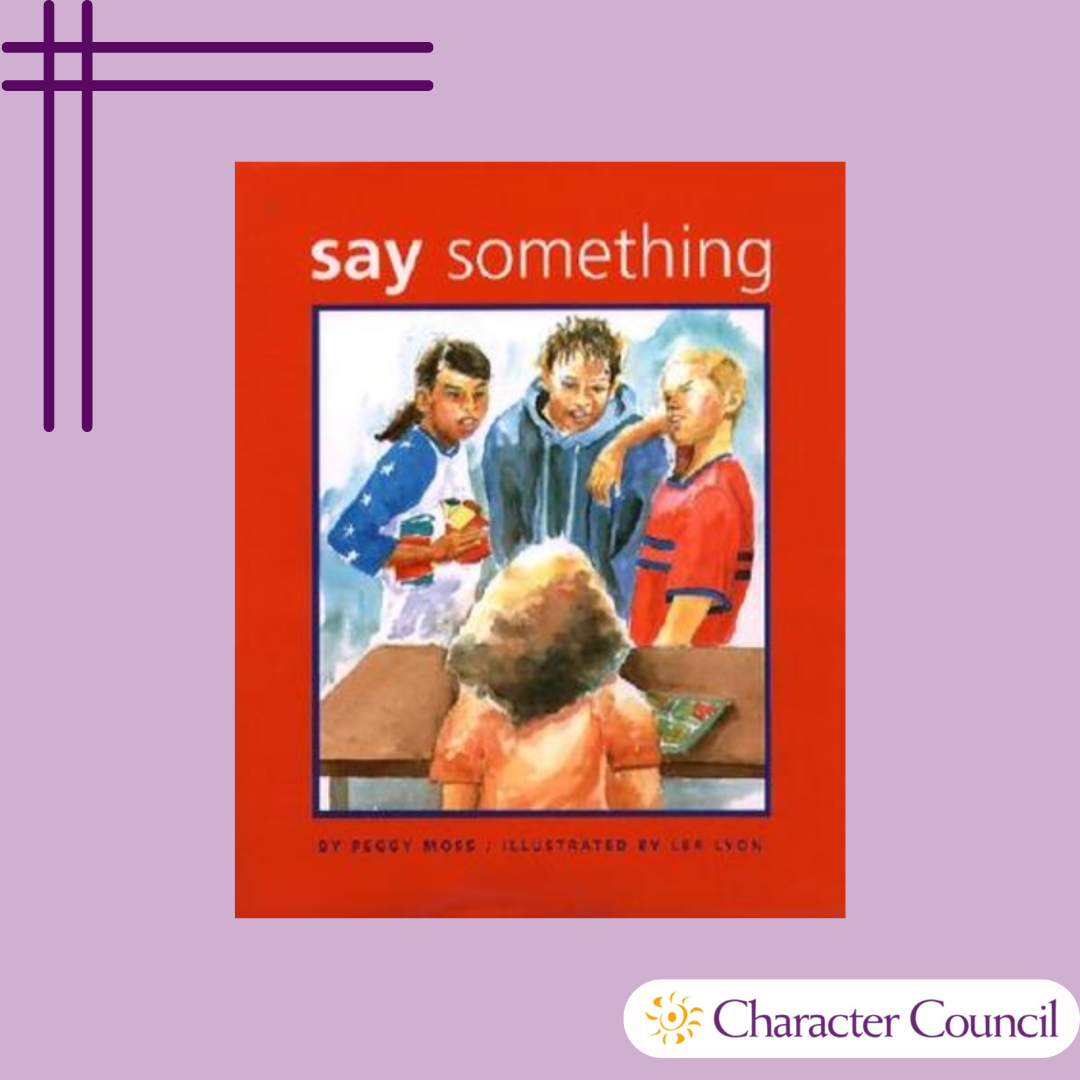
When reading a book or watching a show, ask: "How do you think that person feels? What clues helped you decide?"
Look at photos, storybook illustrations, or everyday interactions and ask children what a person's eyes, eyebrows, or mouth might reveal about their feelings.
Ask children questions such as: "Does that person look excited, worried, or upset based on how they are standing or moving?"
After hearing a conversation, ask: "Did that voice sound happy, frustrated, worried, or excited? What made you think that?"
When a child notices someone's emotion, ask: "What do you think happened that might make them feel that way?"
When children are experiencing an emotion themselves, help them name the emotions they are feeling.
When parents talk about emotions in books, movies, and everyday situations, children learn to identify the emotional states of other people and themselves. By repeatedly discussing emotions, parents help children build emotional awareness and emotional vocabulary. This process supports children's ability to interpret emotional cues and understand social interactions.
Which everyday moment today could you turn into an empathy-building conversation with your child?
Ornaghi, Veronica, Elisabetta Conte, and Ilaria Grazzani. “Empathy in Toddlers: The Role of Emotion Regulation, Language Ability, and Maternal Emotion Socialization Style.” Frontiers in Psychology 11 (2020): 586862. https://pmc.ncbi.nlm.nih.gov/articles/PMC7606909/
Gottman Institute. “How to Engage in Emotion Coaching.” The Gottman Institute, October 11, 2013. https://www.gottman.com/blog/the-digital-age-emotion-coaching/
Weir, Kirsten. “How to Help Kids Understand and Manage Their Emotions.” American Psychological Association, January 11, 2023. https://www.apa.org/topics/parenting/emotion-regulation
Greater Good Science Center. Empathy. Berkeley, CA: Greater Good Science Center, University of California, Berkeley, 2024. https://ggie.berkeley.edu/wp-content/uploads/2024/08/Empathy-Handout.pdf
Affirmations for the Family
I try to understand what others might be thinking or feeling.
I can imagine what it feels like to be in someone else’s shoes.
I choose to believe people are trying their best.
I look for things in common with others.
I celebrate that everyone brings something special.
Empathy Resource Library
The Links below will take you to Resources you can use with your family to encourage the Character Quality of Empathy.




Empathy Quotes
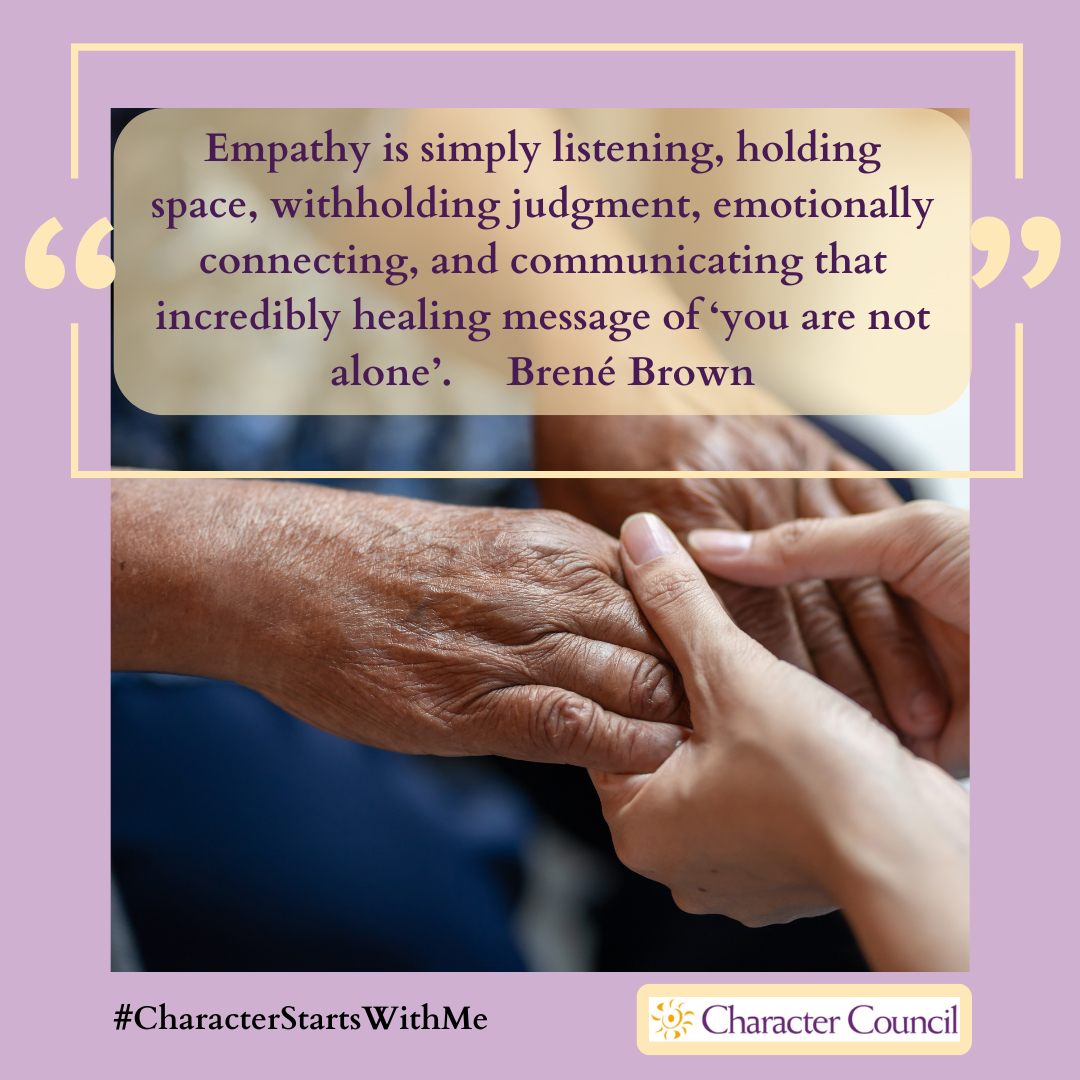
Looking for reminders that Empathy makes a difference? Explore the full collection of Empathy Quotes and find the perfect line to share, post, or spark a conversation.
Celebrate Character Qualities All Month
Use the holidays this month to celebrate our other qualities.


Build Community in Your Home
Try these activities!