For the Classroom
Empathy
Sensing the emotions of others and responding with care
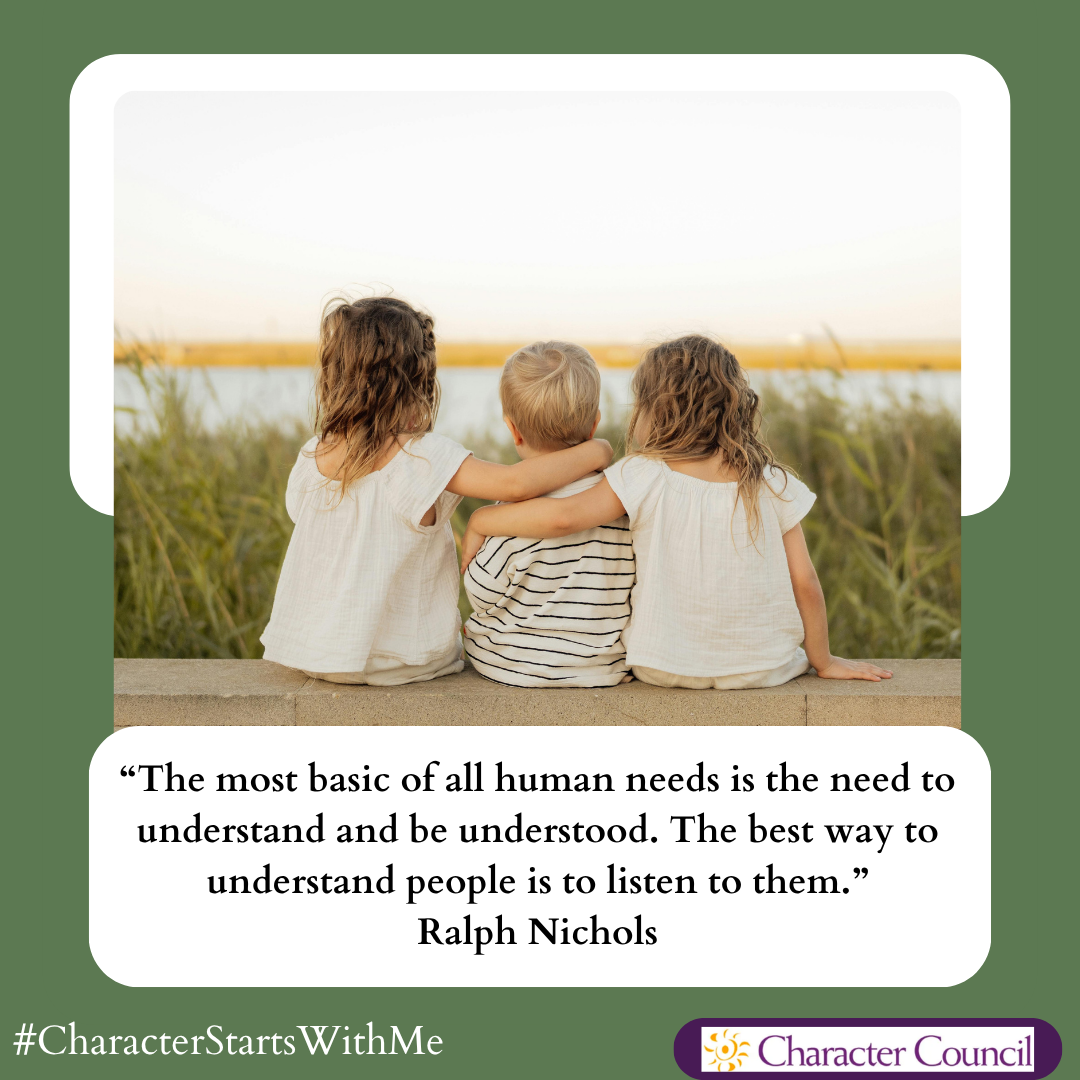
Empathy deepens understanding and connection in schools.
When educators listen to students’ experiences, relationships strengthen and behavior improves. Empathy creates classrooms where students feel seen and valued.
Essay
Listen a Little Longer
By Kathy Wagonfield, retired school principal, Hamilton City Schools
Walk into any school, and you'll hear the bell. But listen a little longer, and you'll hear something even more important—the silent stories every child and adult carries with them.
Behind every smile may be a struggle, behind every outburst may be frustration, and behind every quiet student may be a voice longing to be heard. Empathy is the ability to pause long enough to wonder, "What might this person be going through?" That single question has the power to transform classrooms, hallways, playgrounds, and even the culture of an entire school. Empathy isn't simply a feeling—it's a daily choice. It shows up when a teacher greets every student by name, when a classmate notices someone eating alone and invites them to join, when a bus driver offers a kind word after a difficult morning, or when a student chooses encouragement instead of criticism. The beauty of empathy is that it costs nothing, yet its impact can last a lifetime.
The best part is that empathy is contagious. When children consistently see adults listening before judging, apologizing when they're wrong, celebrating others' successes, and responding with kindness even during difficult moments, they begin to do the same. Schools can intentionally build empathy by encouraging students to ask, "How can I help?" instead of "What's wrong with you?" Teach them to notice the child who is left out, to celebrate differences instead of fearing them, and to remember that every interaction leaves someone either lighter or heavier than before. Long after students forget math formulas or spelling words, they will remember how people made them feel.
A school filled with empathy doesn't just prepare children for tests—it prepares them for life. And perhaps the greatest lesson we can ever teach is this: when we choose to understand another person's heart, we help change their story... and, in the process, our own.
Affirmations for the Classroom
I try to understand how others feel.
I imagine what it might feel like to be them.
I believe people are trying their best.
I look for ways to be a friend.
I know everyone is special.
Empathy Resource Library
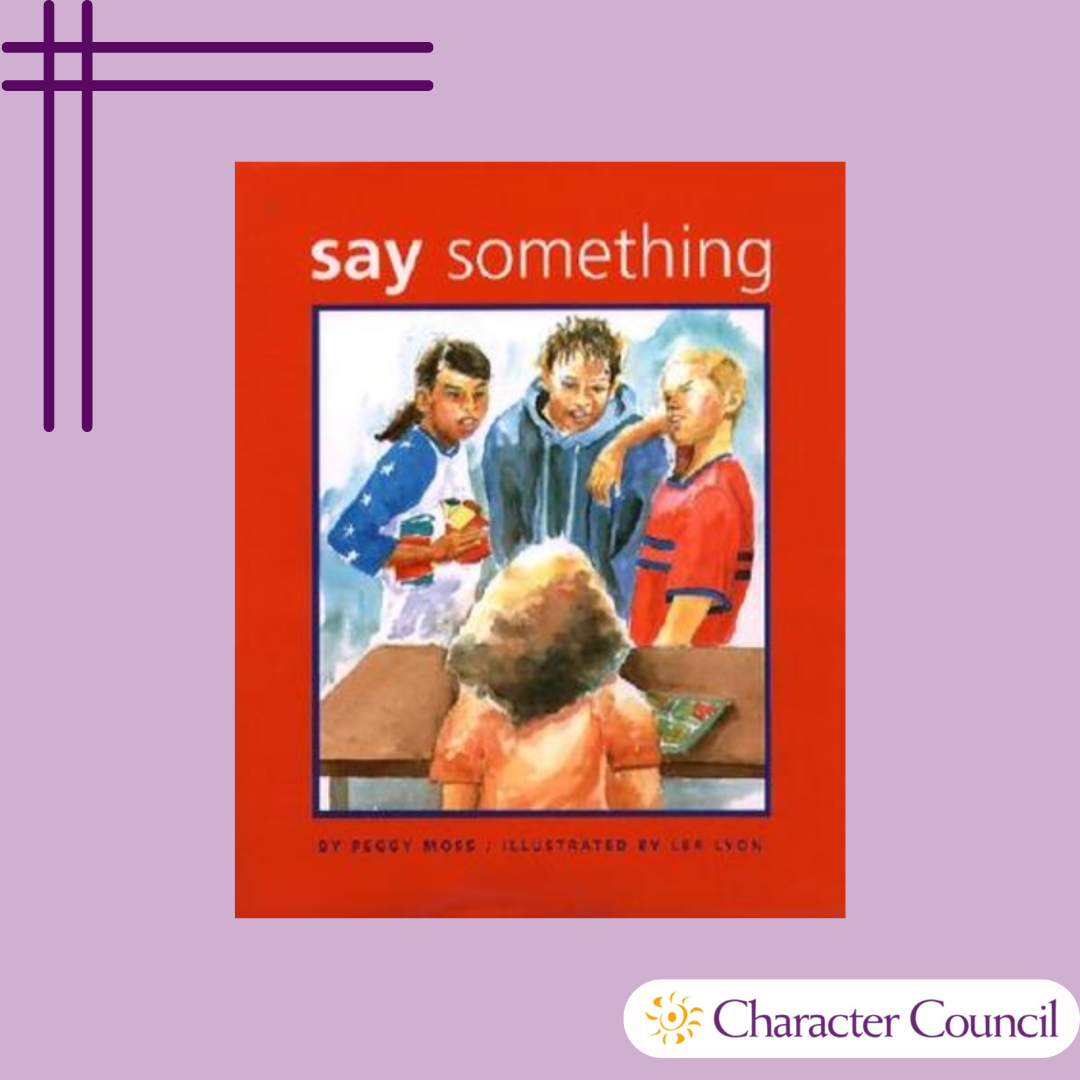
The Links below will take you to Resources like activities, lessons, reflections, tools, and visuals you can use in the classroom or in homeschool to teach the Character Quality of Empathy.




Empathy Quotes
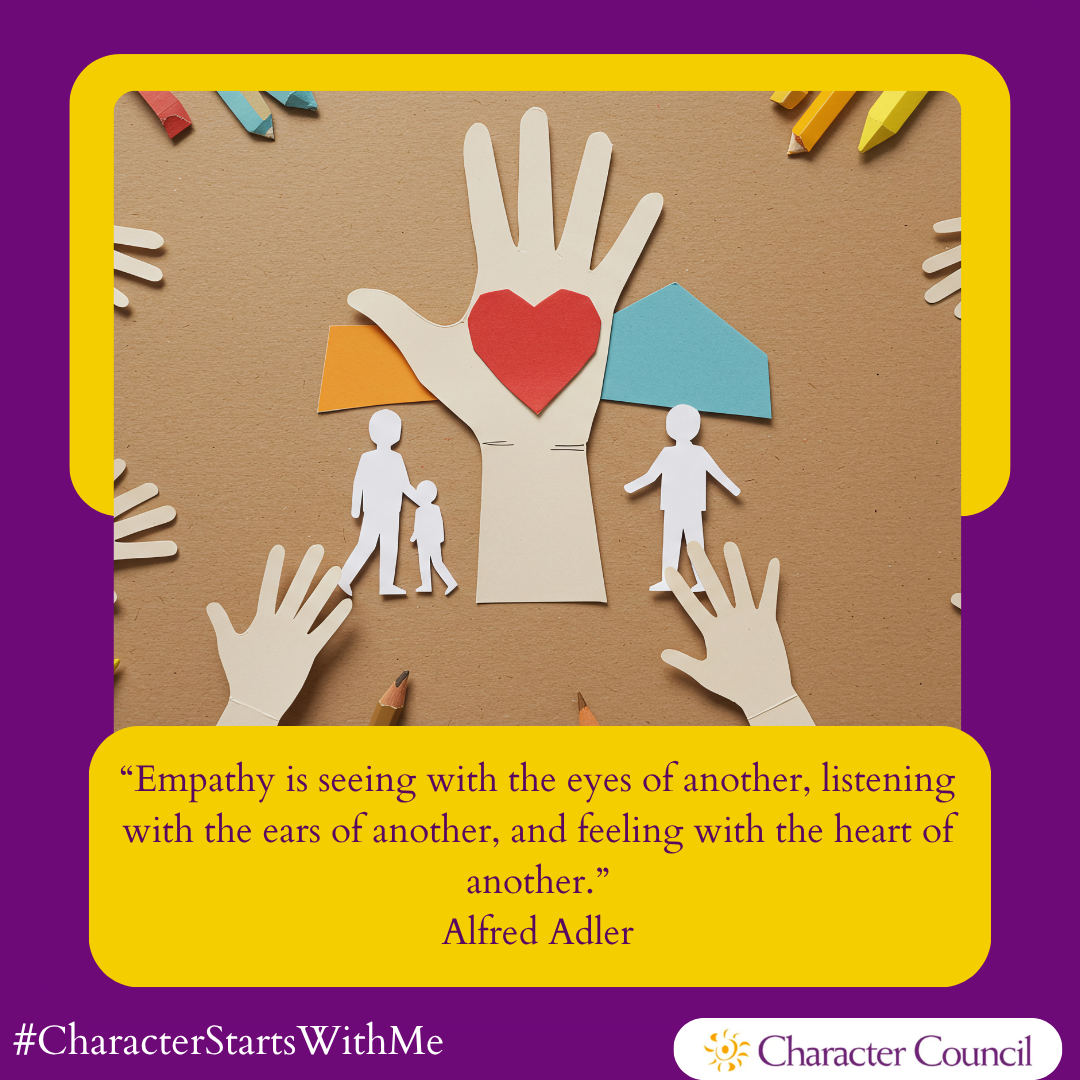
Looking for reminders that Empathy makes a difference? Explore the full collection of Empathy Quotes and find the perfect line to share, post, or spark a conversation.
Celebrate Character Qualities All Month
Use the holidays this month to celebrate our other qualities.


Build Community in Your Classroom
Try these activities!