For the Workplace
Confidence
Trusting and acting on my own judgment and abilities

Confidence fuels a workplace where people take initiative and contribute boldly.
When individuals trust their abilities, they share ideas more freely and make decisions with clarity. Confidence inspires teams to move forward with purpose and embrace new challenges.
Essay
Key Attributes of a Confident Leader
By Jill Tomey
Confidence is one of the most misunderstood leadership qualities. It is frequently mistaken for boldness or an unwavering belief that one is always right. In reality, genuine confidence is neither loud nor self-centered. It is a quiet assurance rooted in self-knowledge, ethical principles, and the willingness to act with conviction while remaining open to learning. Here are the key attributes of Confident leaders:
Self-aware: Before leaders can trust their judgment, they must first understand themselves. Self-aware leaders have a balanced understanding of their strengths and limitations that enables them to make decisions based on reality rather than ego. Leaders who understand themselves are more receptive to feedback, more willing to admit mistakes, and more capable of adapting to new situations. Employees naturally place greater trust in leaders who demonstrate authenticity and a genuine commitment to personal growth.
Accepts uncertainty: Difficult decisions require leaders to move forward despite imperfect information. Confidence is demonstrated not by avoiding risk but by acting responsibly in the face of uncertainty. Confident leaders accept responsibility for their choices instead of allowing fear to dictate their actions. In doing so, they provide stability for those who depend on them. Employees are more likely to remain engaged and optimistic when they see leaders confronting challenges directly rather than postponing difficult decisions.
Values-based: Confidence without a values base can become arrogance, while integrity without confidence may prevent leaders from acting when action is needed. Effective leadership requires both. Research consistently demonstrates that leaders who align their actions with their values earn higher levels of trust, credibility, and commitment from those they lead. Confident leaders do not change their principles to gain approval or avoid criticism. Instead, they remain consistent in both words and actions because they trust their judgment and believe that ethical decisions produce lasting results.
Grows through adversity. Confidence is tested not when everything is going well but when circumstances become difficult. Confident leaders can recover from adversity without losing sight of their purpose. Research in positive organizational behavior shows that resilient leaders view setbacks as opportunities to learn rather than evidence of failure. They remain optimistic while realistically assessing what must improve. This mindset has a powerful influence on workplace culture. When leaders respond to challenges with calm determination instead of blame or discouragement, employees become more willing to innovate, take initiative, and learn from mistakes. Confidence, therefore, is sustained not by avoiding adversity but by believing in one's ability to grow through it.
Empowers others. Perhaps the most compelling evidence of confidence is a leader's willingness to empower others. Leaders who doubt their own abilities often feel compelled to control every detail, fearing that delegation may expose weakness or reduce their influence. Confident leaders take a different approach. Because they trust their own judgment and abilities, they are also willing to trust the abilities of others. A confident leader recognizes potential in others, provides meaningful opportunities for growth, and supports employees as they develop new skills. Rather than seeking personal recognition, these leaders measure success by the success of the people they lead. Their confidence becomes a catalyst that encourages others to develop confidence in themselves.
Ultimately, confidence is not about proving our abilities to others. It is about trusting our judgment enough to serve others with integrity, courage, and humility. When leaders develop this kind of confidence, they do more than achieve organizational success—they help others discover the confidence to become leaders themselves.
How will your confidence shape the culture of your organization?
Works Cited
Ibarra, Herminia, and Kent Lineback. “How to Build Confidence.” Harvard Business Review, April 2011. https://hbr.org/2011/04/how-to-build-confidence.
Center for Creative Leadership. “Characteristics of a Good Leader.” Center for Creative Leadership, n.d. https://www.ccl.org/articles/leading-effectively-articles/characteristics-good-leader/.
Gallup. “How to Be a Better Leader.” Gallup CliftonStrengths, 2021. https://www.gallup.com/cliftonstrengths/en/356072/how-to-be-better-leader.aspx
Cuddy, Amy C. “What Makes a Great Leader?” Harvard Business Review, September 2022.https://hbr.org/2022/09/what-makes-a-great-leader.
Harvard Kennedy School. “Leadership, Overconfidence, and Decision-Making.” Harvard Kennedy School Publications, n.d. https://www.hks.harvard.edu/publications/leadership-overconfidence.
Beattie, Susan, and Andrew R. Woodman. “Effects of Self-Confidence on Performance.” Journal of Sports Sciences 25, no. 11 (2007): 1217–1224. https://pubmed.ncbi.nlm.nih.gov/17100479/.
Affirmations for the Workplace
I use constructive criticism to improve my performance and strengthen my skills.
I communicate with clarity so my ideas and needs are understood.
I recognize that past challenges do not limit my potential or future opportunities.
I manage worry by focusing on solutions and taking steady, thoughtful action.
I visualize successful outcomes to stay motivated and perform at my best.
Confidence Resource Library
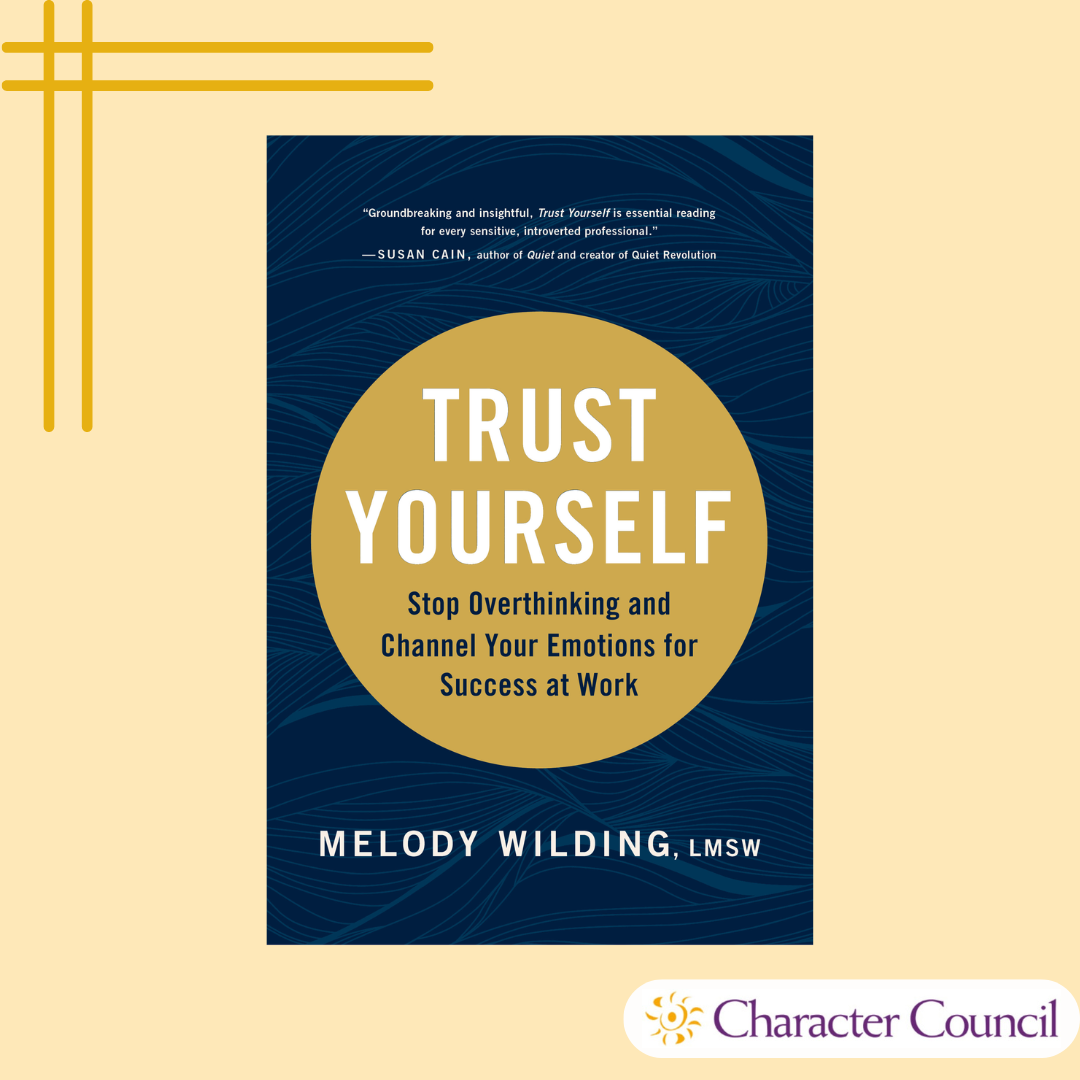
The Links below will take you to Resources you can use in the workplace to encourage the Character Quality of Confidence.




Confidence Quotes
Looking for reminders that Confidence makes a difference? Explore the full collection of Confidence Quotes and find the perfect line to share, post, or spark a conversation.