For the Family
Confidence
Trusting and acting on my own judgment and abilities

Confidence helps family members step into challenges with courage.
When we believe in our abilities, we try new things and grow in independence. Confidence encourages children and adults to trust themselves and each other.
Essay
Confidence Begins at Home
By Jill Tomey
As parents, we all want our children to grow into capable and emotionally healthy adults. One of the most valuable qualities we can help them develop is confidence—the belief that they can trust and act on their own judgment and abilities. Research consistently shows that children who develop healthy confidence are better able to cope with setbacks and are more likely to experience positive mental health. The encouraging news is that confidence can be developed through everyday experiences at home. Here are five research-supported ways parents can encourage confidence in their children:
Encourage Independent Decision-Making: Confidence grows when children are trusted to make age-appropriate decisions. Offer your child simple choices throughout the day and encourage them to explain their thinking. They will begin to see themselves as capable individuals who can think for themselves.
Let Children Solve Problems: One of the quickest ways to build confidence is by offering guidance instead of immediate solutions. Before giving your child the answer, ask questions that help them think through the problem themselves. By working through the challenges they discover, “I can do this!”
Praise Effort Over Perfection: Confidence often grows when children learn that mistakes are part of learning rather than something to fear. Replace "You're so smart" with "I'm proud of how hard you worked," so they begin to value progress instead of perfection.
Build Confidence Through Practice: Confidence develops through repeated opportunities to practice and experience success. Celebrate progress, not just the finished result, so that each small success strengthens their belief in their own abilities.
Show That You Believe in Them: Sometimes the most powerful confidence builder is simply knowing someone believes in you. Look for opportunities each day to remind your child that you believe in their abilities. Over time, children begin repeating those encouraging messages to themselves.
What opportunities will you provide to help your children develop confidence?
Works Cited
Child Mind Institute. “How to Build Confidence in Kids.” Child Mind Institute, n.d.https://childmind.org/article/how-to-build-confidence-in-kids/.
American Psychological Association. “Self-Efficacy.” APA, n.d. https://www.apa.org/pi/aids/resources/education/self-efficacy.
Ackerman, Courtney E. “Self-Efficacy: Theory, Research, and Applications.” PositivePsychology.com, 2020. https://positivepsychology.com/self-efficacy/.
UNICEF. “Parenting.” UNICEF, n.d. https://www.unicef.org/parenting.
Affirmations for the Family
I learn from helpful criticism.
I am brave enough to speak up kindly and clearly.
I am not defined by my past; every day is a fresh start.
I am stronger than my worries.
I picture myself doing well and reaching my goals.
Confidence Resource Library
The Links below will take you to Resources you can use with your family to encourage the Character Quality of Confidence.



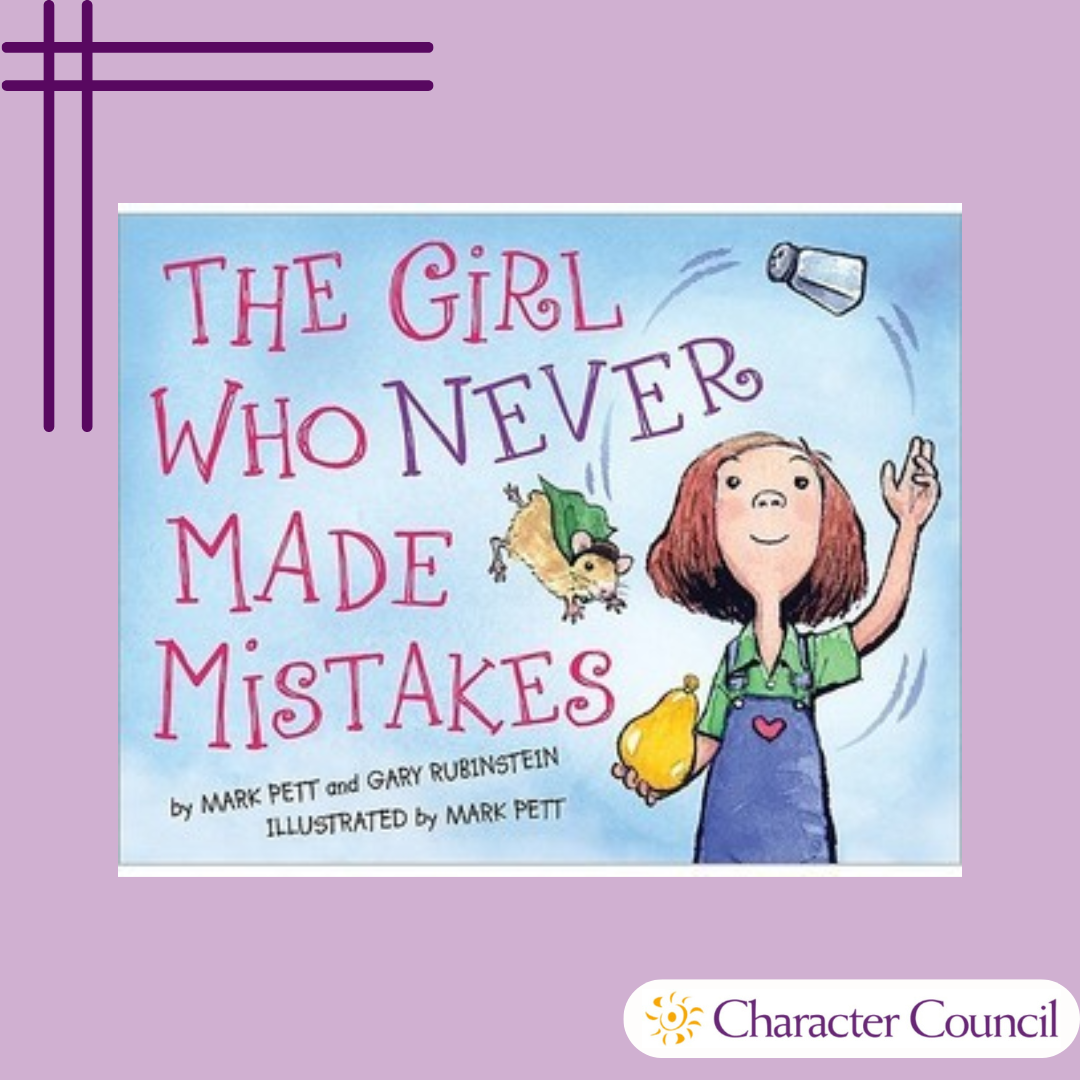

Confidence Quotes
Looking for reminders that Confidence makes a difference? Explore the full collection of Confidence Quotes and find the perfect line to share, post, or spark a conversation.

Celebrate Character Qualities All Month
Use the holidays this month to celebrate our other qualities.

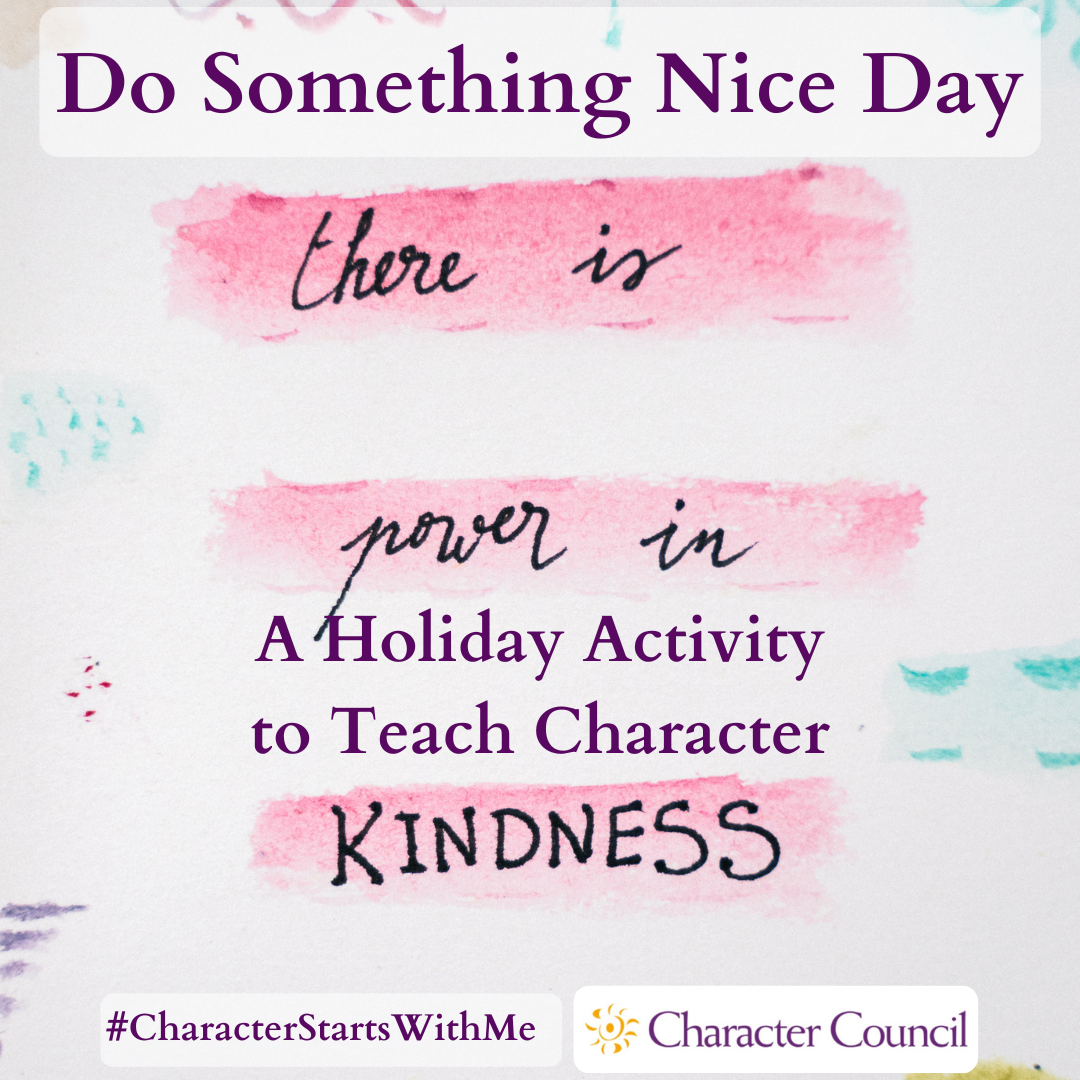

Build Community in Your Home
Try these activities!