For the Workplace
Collaboration
Understanding and working with others on a common goal
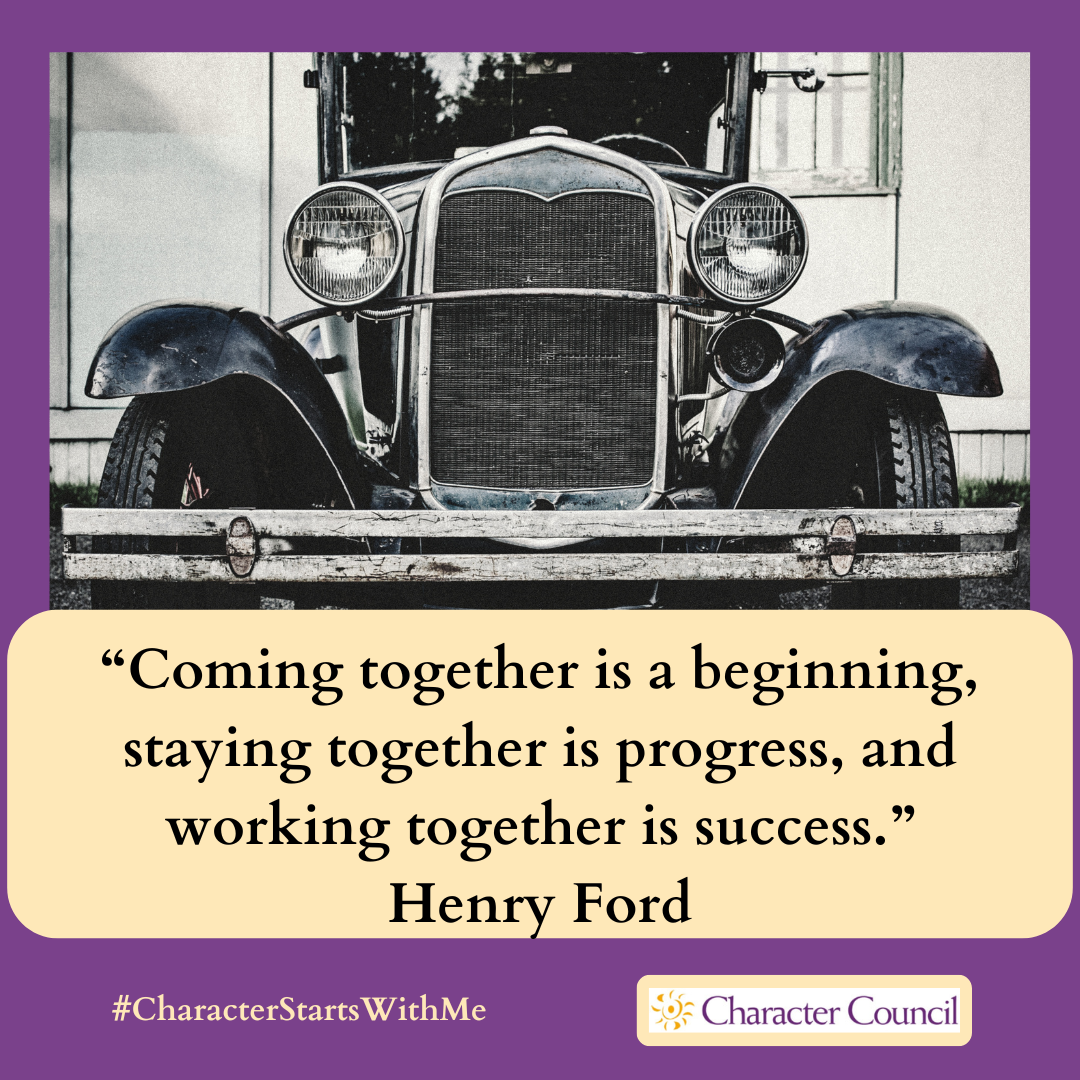
Collaboration strengthens a workplace by bringing together diverse strengths toward shared goals.
When individuals listen, contribute, and coordinate with intention, teams solve problems more creatively and efficiently. Collaboration builds a culture where success is shared and everyone feels invested in the outcome.
Essay
Key Attributes of a Collaborative Leader
by Jill Tomey
Gone are the days of the "my way or the highway" commander-in-chief. Collaborative leadership isn't about ruling by committee or avoiding hard choices. It’s about intentionally leveraging a team's collective brainpower to make better decisions. Here are the key attributes that set these leaders apart:
1. High EQ and a Low Ego
They eagerly share the credit for their team's successes while absorbing the blame when things go sideways. They aren't afraid to say, "I don't know, what do you think?" or admit when they’ve made a mistake. This builds instant authenticity.
2. Active Listening (Inquiry over Advocacy)
Many leaders listen, just waiting for their turn to speak or to push their own agenda. Collaborative leaders ask open-ended questions to draw out quiet perspectives. They listen to understand.
3. Cultivating Psychological Safety
Innovation requires risk, and risk requires safety. A collaborative leader creates an environment where team members feel safe speaking up, challenging the status quo, and failing without fear of retribution. When a mistake happens, a collaborative leader asks, "What did we learn?" instead of "Who screwed up?"
4. Master Facilitation, Not Micromanagement
Instead of dictating the how, collaborative leaders define the why and the what, then get out of the way. They act more like conductors of an orchestra, ensuring everyone is playing in harmony while letting individual musicians showcase their talents.
5. Transparency and Trust
Power hoarding is the enemy of collaboration. True collaborative leaders share information freely. By keeping the team informed about the big picture, goals, and challenges, they empower others to make autonomous, well-informed decisions.
6. High Adaptability
Collaborative environments are dynamic and often messy. These leaders are comfortable with ambiguity and are flexible enough to pivot when the team uncovers a better path forward.
Ultimately, collaborative leadership shifts the focus from "me" to "we." It transforms a group of talented individuals into a cohesive, high-performing team.
How will you use Collaboration to improve your leadership style?
Works Cited
Edmondson, Amy C. "Managing the Risk of Learning: Psychological Safety in Work Teams." International Handbook of Organizational Teamwork and Cooperative Working, 2003, pp. 255-275. https://doi.org/10.1002/9780470696712.ch13
Goleman, Daniel. "What Makes a Leader?" Military Leadership, 2018, pp. 39-52. https://doi.org/10.4324/9780429495007-4
Huang, Zijian, et al. "The role of leadership in collective creativity and innovation: Examining academic research and development environments." Frontiers in Psychology, vol. 13, 2022. https://doi.org/10.3389/fpsyg.2022.1060412
Mogård, Emil Viduranga, et al. "The Relationship between Psychological Safety and Management Team Effectiveness: The Mediating Role of Behavioral Integration." International Journal of Environmental Research and Public Health, vol. 20, 2022, p. 406. https://doi.org/10.3390/ijerph20010406
Affirmations for the Workplace
I am a reliable team member who contributes fully to shared goals.
I am open to trying new ideas so our team can succeed together.
I encourage my colleagues and recognize the strengths they bring to our work.
I listen with focus and empathy to understand others’ perspectives.
I acknowledge and appreciate the contributions of those I work with.
Collaboration Resource Library
The Links below will take you to Resources you can use in the workplace to encourage the Character Quality of Collaboration.



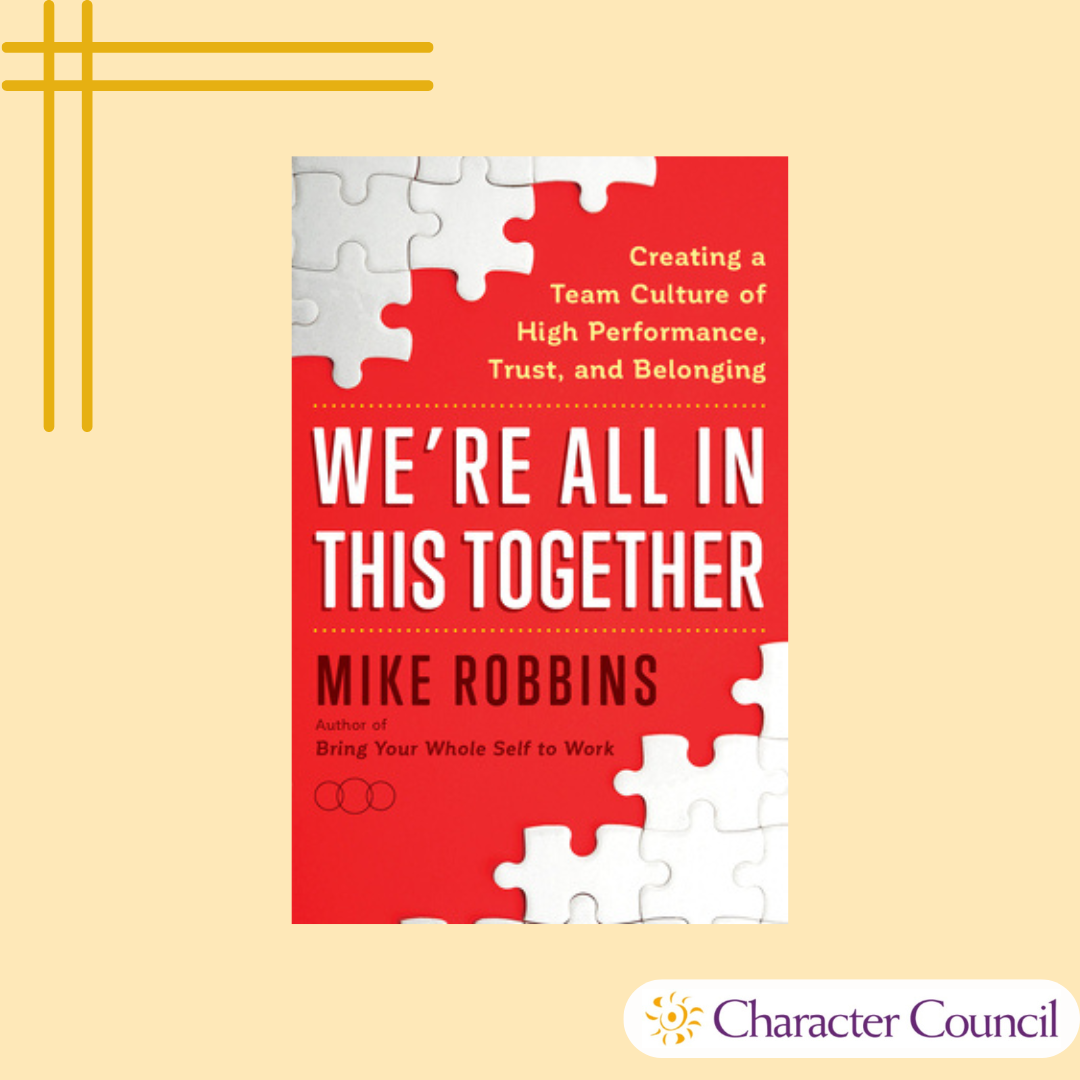
Collaboration Quotes
Looking for reminders that Collaboration makes a difference? Explore the full collection of Collaboration Quotes and find the perfect line to share, post, or spark a conversation.